All Articles

International Society of Sports Nutrition Position Stand: Long-Chain Omega-3 Polyunsaturated Fatty Acids
This position stand is intended to provide a scientific foundation for athletes, dietitians, trainers, and other practitioners regarding the effects of supplemental ω-3 PUFA in healthy and athletic populations.

Common questions and misconceptions about caffeine supplementation: what does the scientific evidence really show?
Despite the vast amount of available data, it is intriguing that uncertainties persist regarding the effectiveness and safety of caffeine.
International society of sports nutrition position stand: coffee and sports performance
Coffee can serve as a vehicle for other dietary supplements, and it can interact with nutrients in other foods.

International Society of Sports Nutrition Position Stand: Effects of essential amino acid supplementation on exercise and performance
The International Society of Sports Nutrition (ISSN) presents this position based on a critical examination of literature surrounding the effects of essential amino acid (EAA) supplementation on skeletal muscle maintenance and performance.
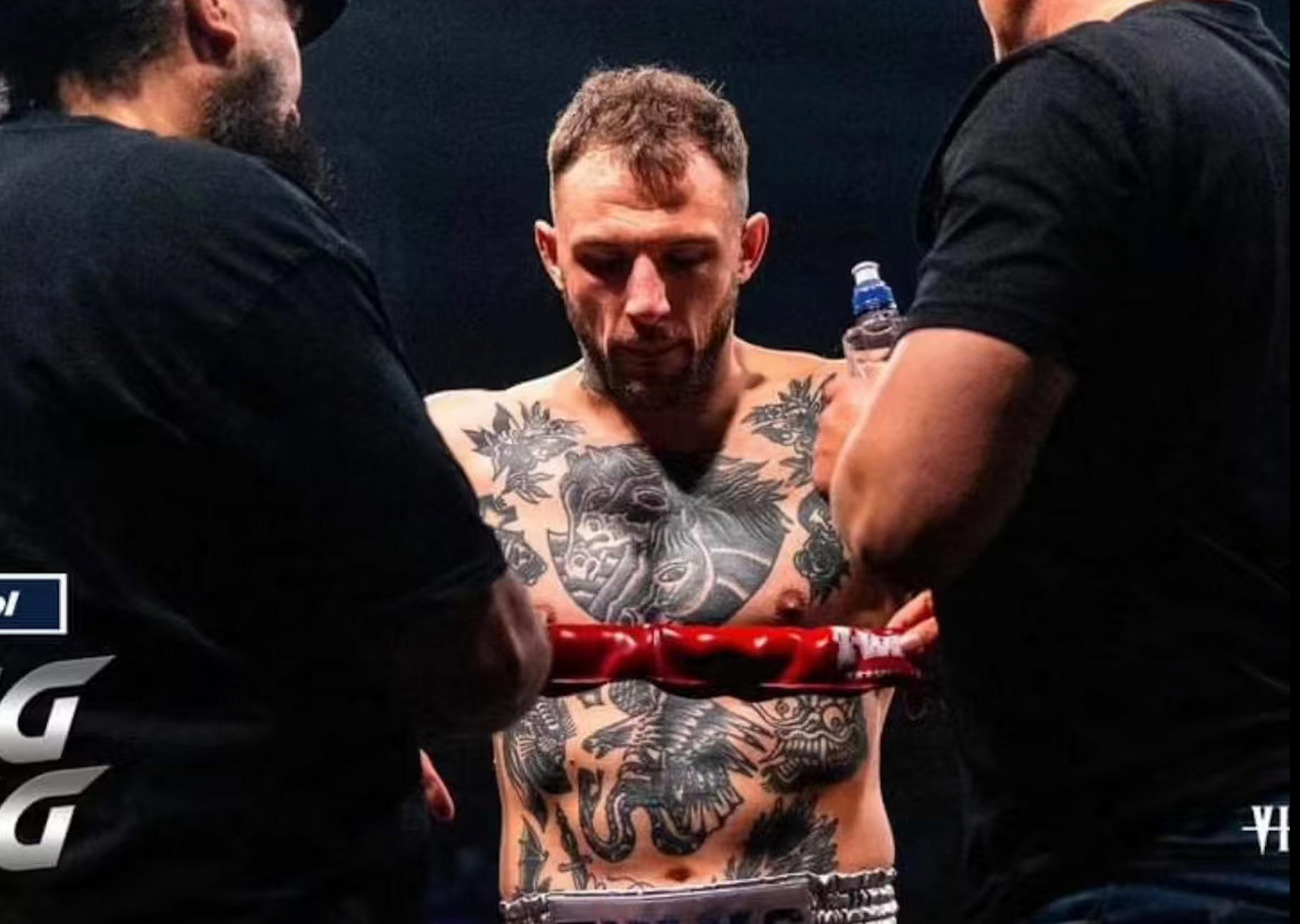
GPNi Webinar | Before He Built Fighters, He Had to Become One
Mark Timms will appear in Building a Global Career: Combat Sports, Sports Nutrition & Life in China, hosted by Drew Campbell with Dr. Reid Reale.
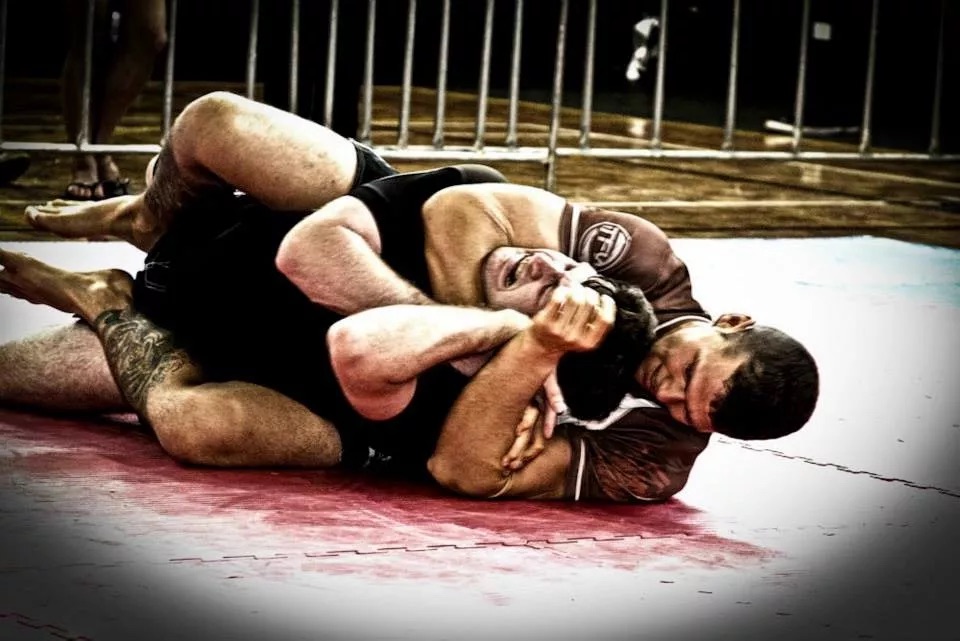
GPNi Webinar | When the Scale Is Only the Beginning
Dr. Reid Reale will appear in Building a Global Career: Combat Sports, Sports Nutrition & Life in China, hosted by Drew Campbell with Mark Timms.
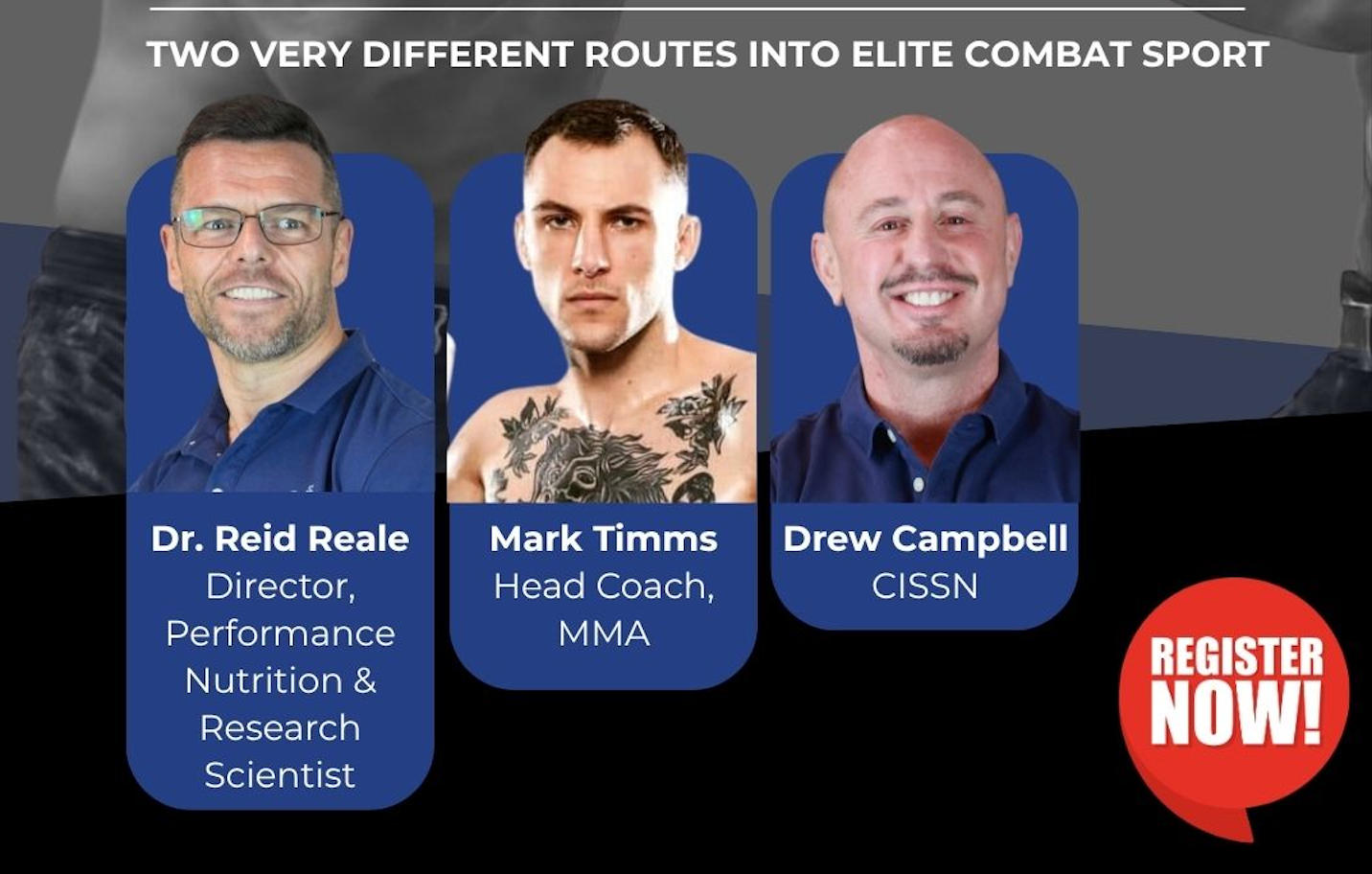
GPNi Webinar | Building a Global Career: Combat Sports, Sports Nutrition & Life in China
On 22 September, Mark Timms and Dr. Reid Reale will take us inside that journey—from the changing room to the research lab, from fighter to coach, and from home to a life built in China.
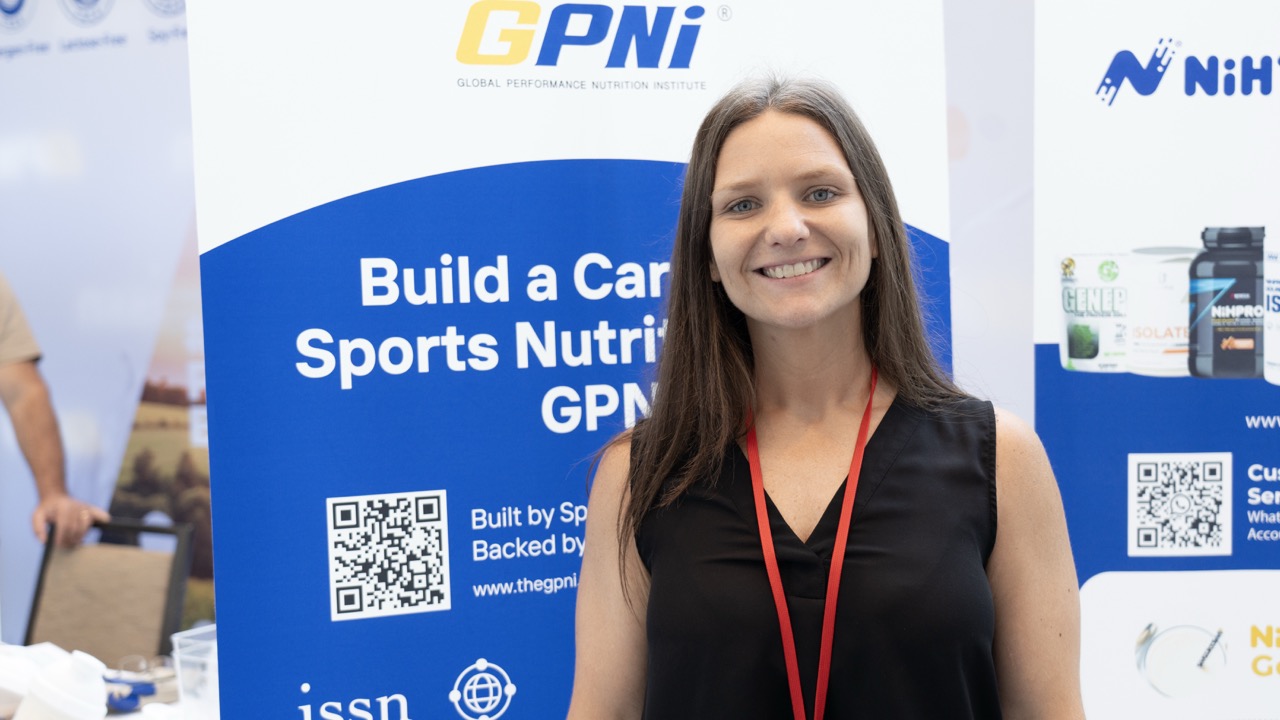
GPNi® Career Insights | Students Are Not Outside the Profession. They Are Its Future.
Dr. K. Michelle Singleton discusses sports nutrition education, athlete recovery, student research, mentorship, and why young professionals should reach out sooner.
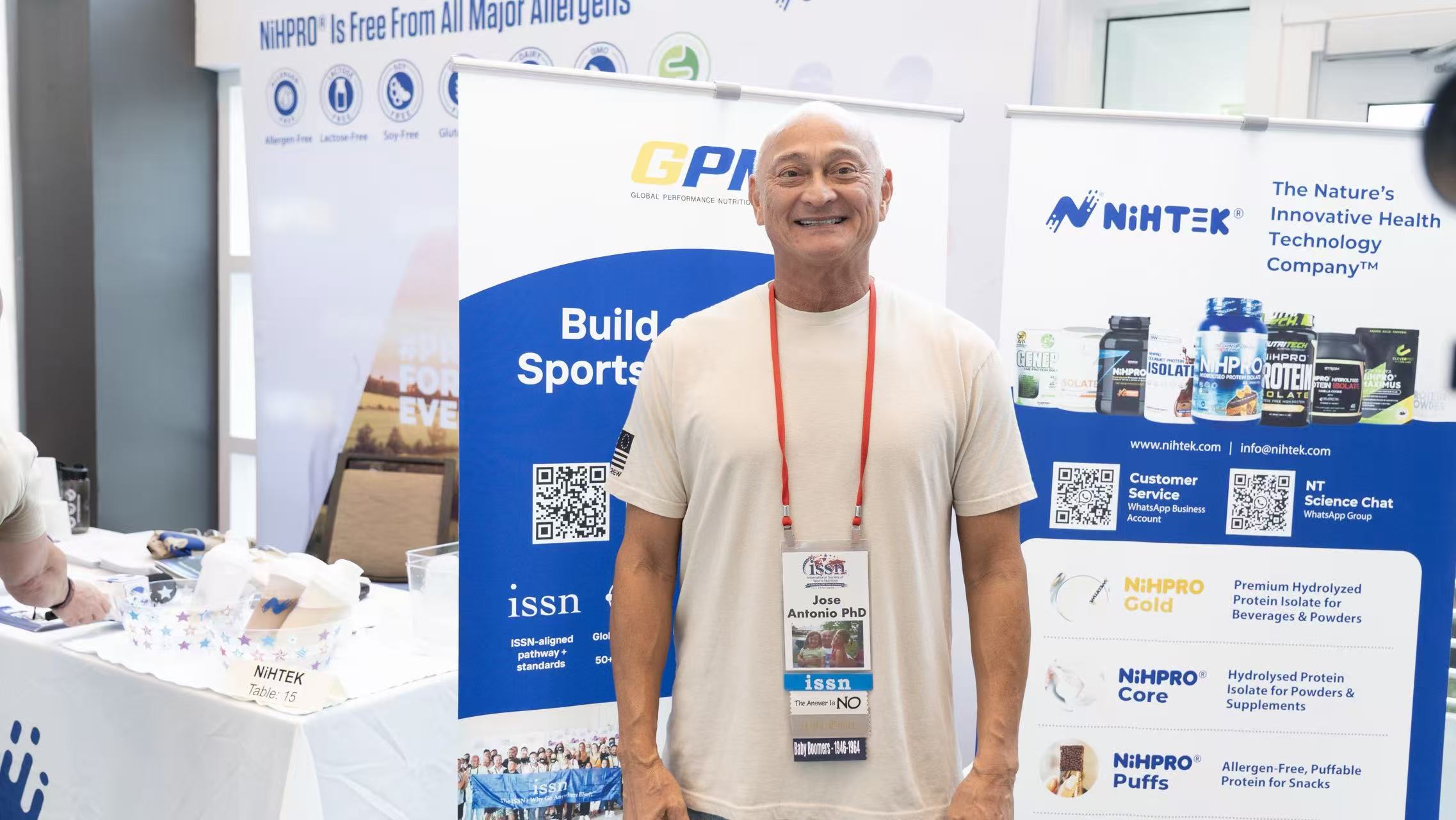
GPNi® Career Insights | He Didn't Just Enter the Field. He Helped Build It.
ISSN co-founder Dr. Jose Antonio reflects on helping build sports nutrition as a profession, the value of face-to-face connection, and why career growth is an endurance test.
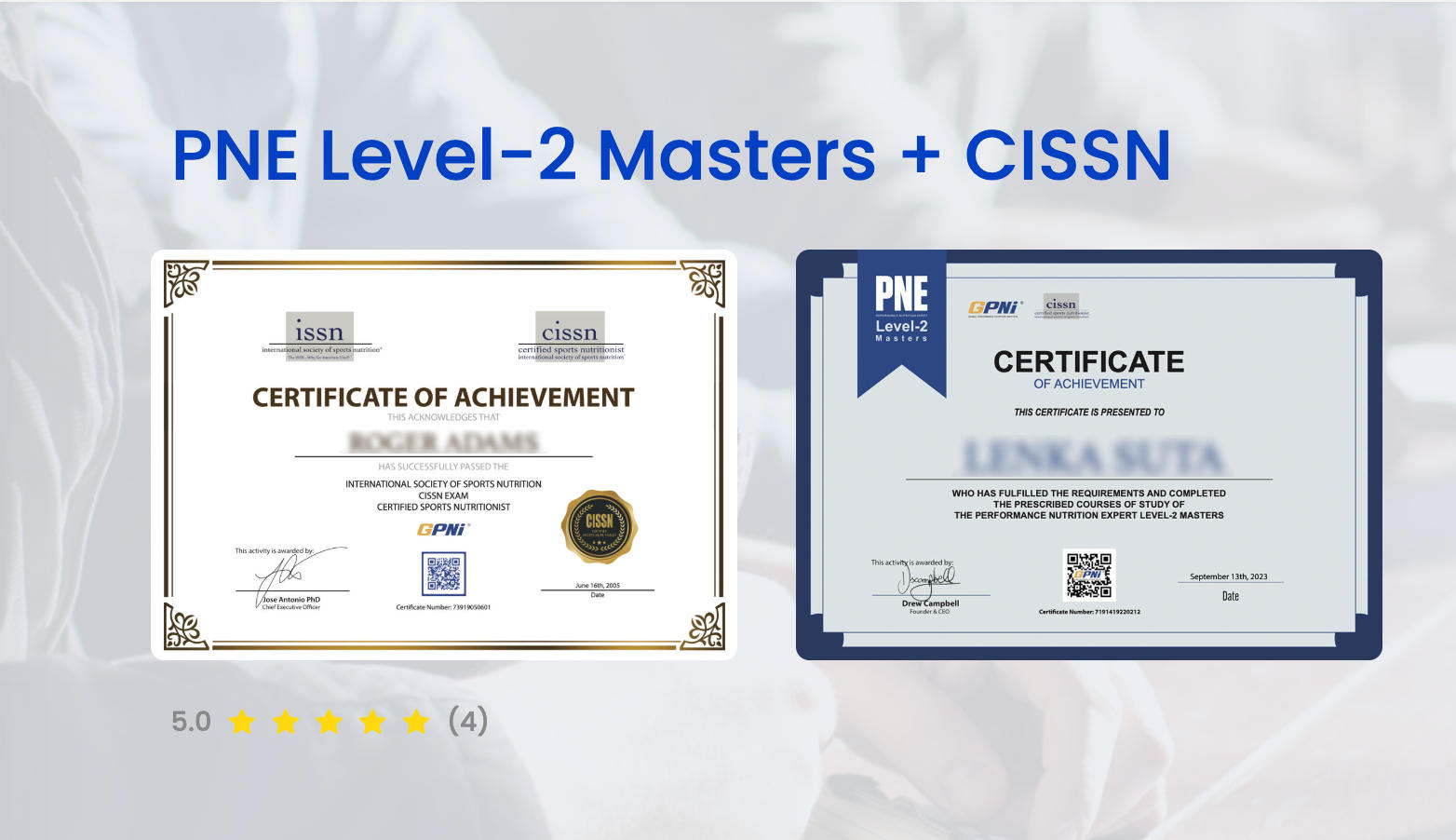
PNE Level-1 + ISSN-SNS or PNE Level-2 Masters + CISSN: Which Pathway Fits You?
Compare GPNi PNE Level-1 + ISSN-SNS and PNE Level-2 Masters + ISSN-CISSN pathways, including depth, application and career fit.
What 30 Years in Sports Nutrition Taught Me: Careers Are Built in Layers
GPNi founder Drew Campbell shares what three decades in sports nutrition taught him about building knowledge, credibility, connections and a lasting career.
Why Choose GPNi®? Build More Than a Certificate
Discover how GPNi® combines ISSN-backed education, PhD-level faculty, practical learning and a global network to build sports nutrition careers.
Creatine + Beta-Alanine: Does Combining Them Actually Improve Performance?
A new network meta-analysis compares creatine, beta-alanine, and their combination for sprinting, jumping, repeated-sprint ability, muscular endurance, and aerobic performance.
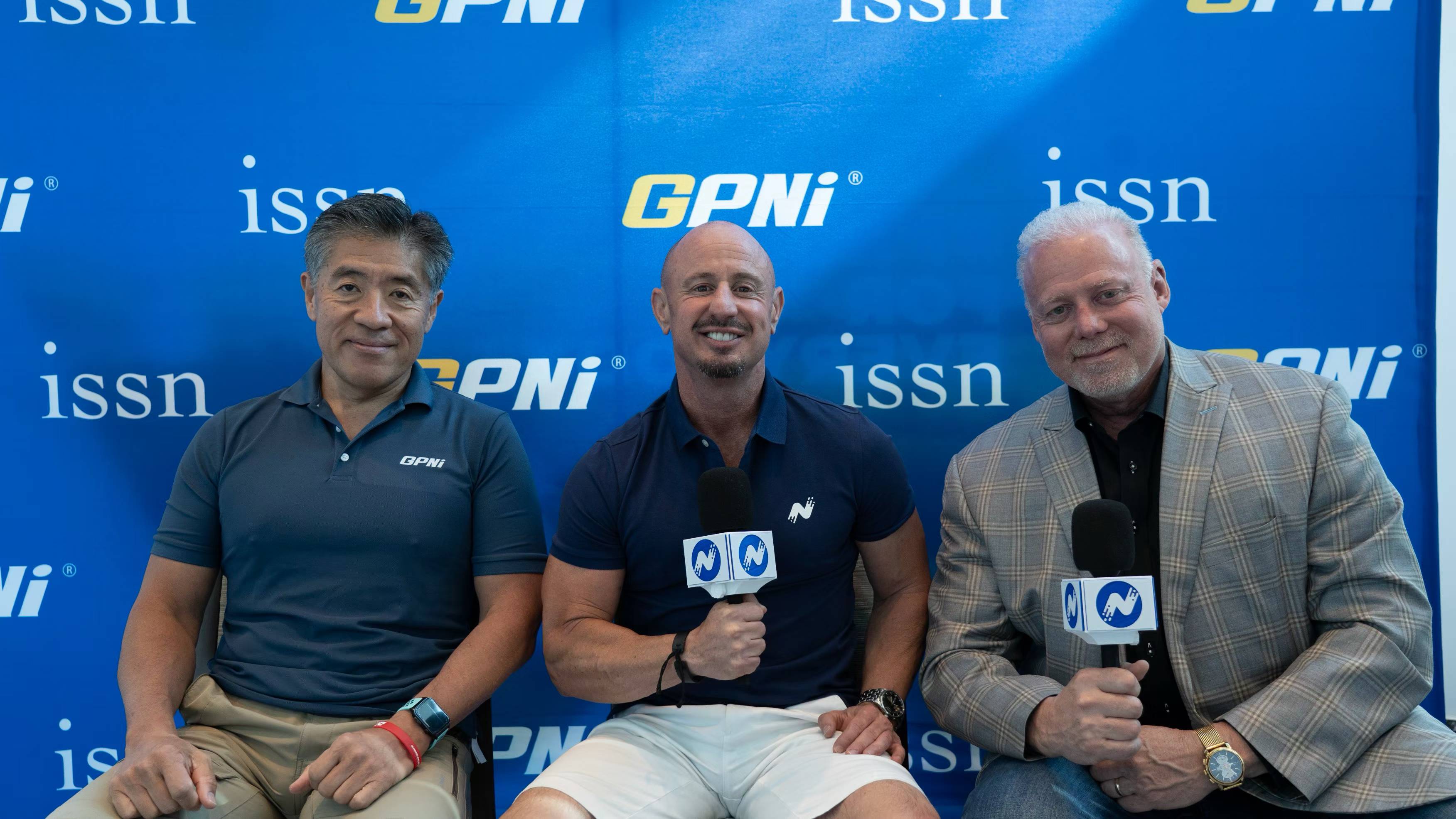
GPNi Peptides Webinar Recap: Why Peptides Are Not Just Another Supplement
On June 18, GPNi hosted a special live webinar and podcast recording on site at the ISSN 2026 Annual Conference. The topic was simple on the surface, but much more complex once the discussion began: peptides.
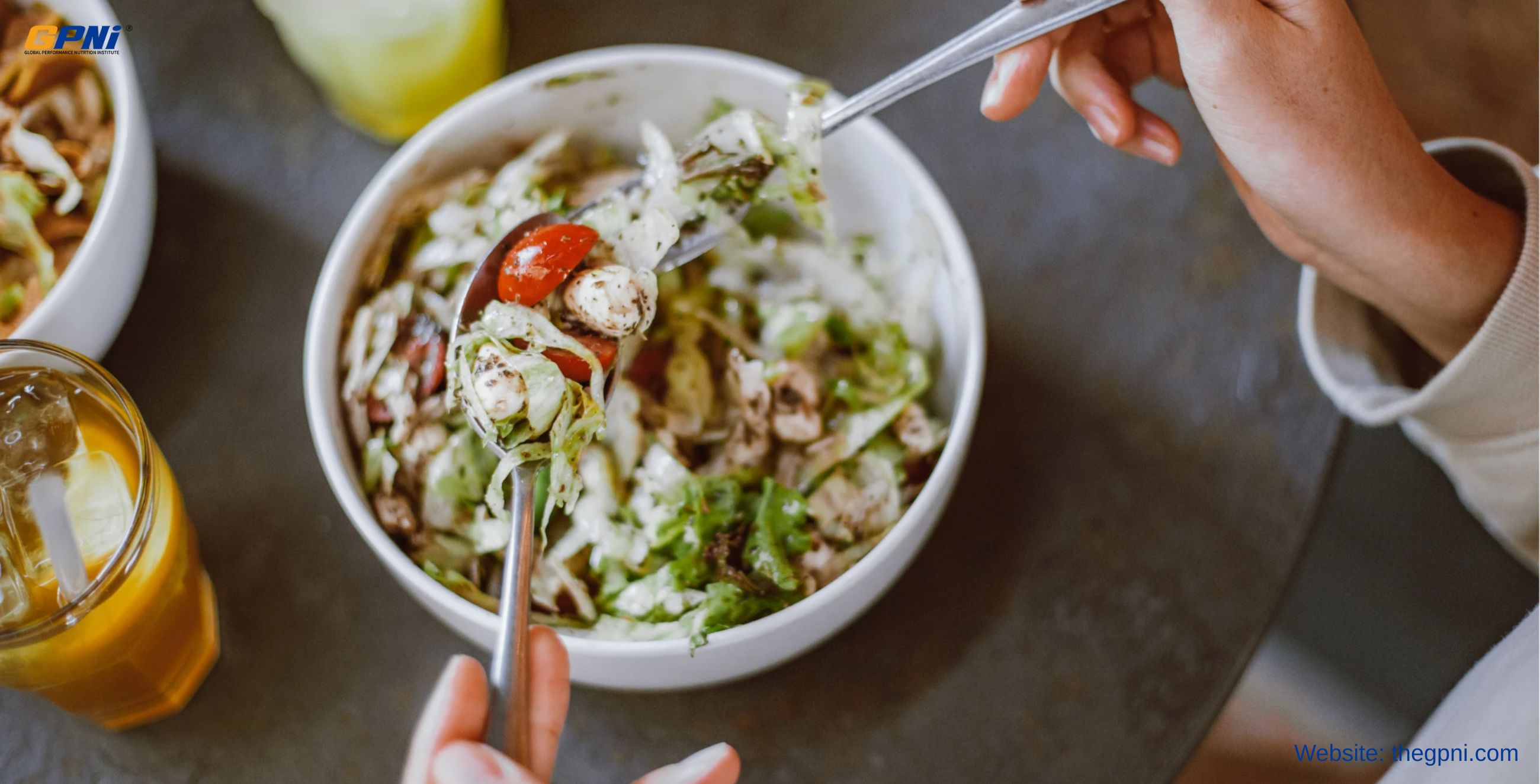
Influencer Meal Plans vs Evidence-Based Sports Nutrition: 7 Questions to Ask Before You Trust the Advice
How can you tell the difference between a qualified sports nutrition professional and generic online advice? Here are 7 questions to ask before trusting a nutrition plan.
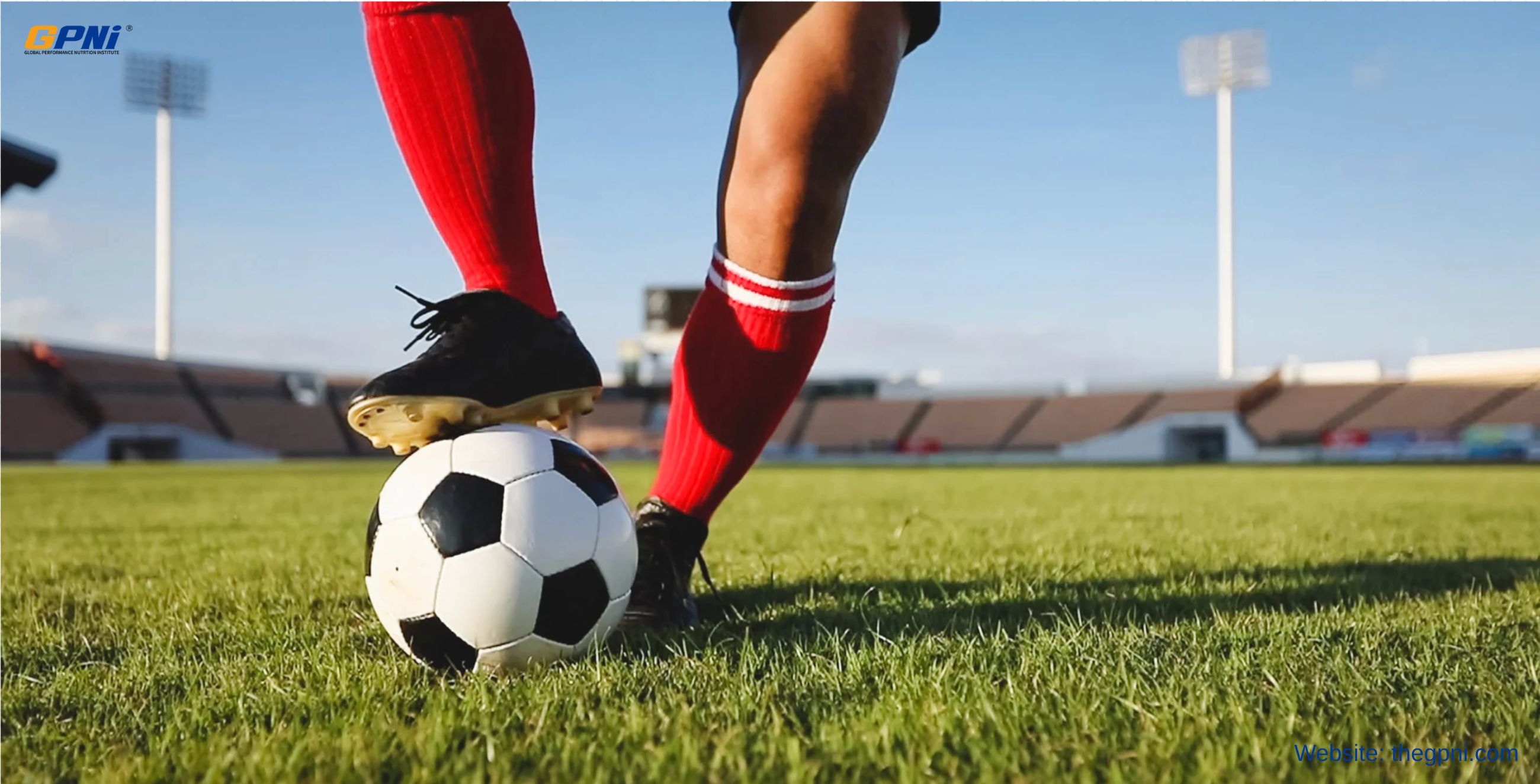
Beyond the Scoreline: How Heat, Altitude, Travel, and Air Quality Shape World Cup Performance
Heat, altitude, travel, air quality, and hydration can all shape football performance. This GPNi article reviews recent Sports Medicine papers on the environmental challenges facing World Cup players.
Article Categories
Insights from PhDs
Words from Chairman
Student Testimonials
Science Spotlight
Career News
Brain Bites
Webinars & Conferences
Performance Nutrition
Journal & Research
Trending Articles
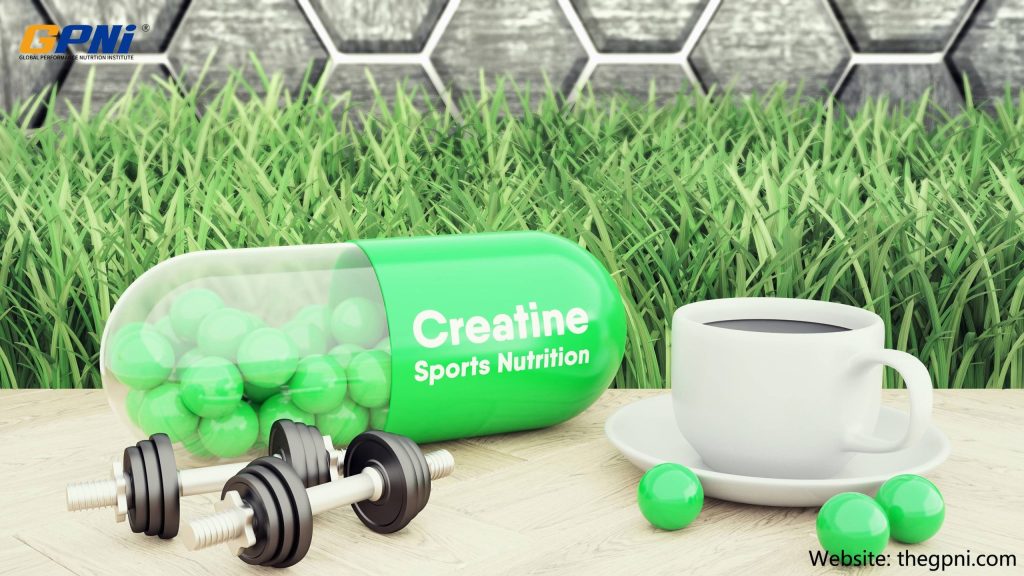
International Society of Sports Nutrition position stand: safety and efficacy of creatine supplementation in exercise, sport, and medicine
May 15,2025
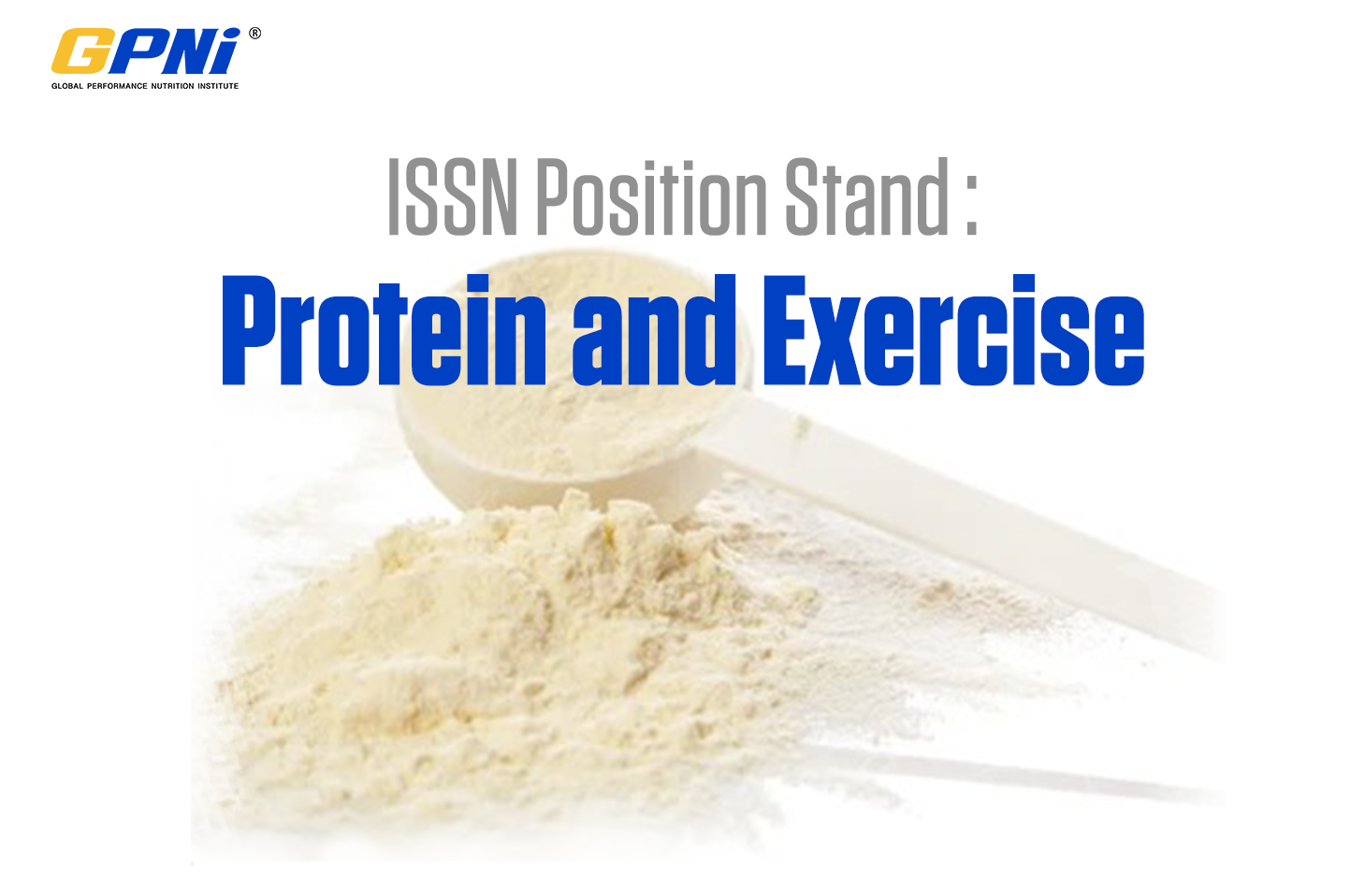
International Society of Sports Nutrition position stand: protein and exercise
May 15,2025
International society of sports nutrition position stand: Beta-Alanine
May 15,2025
How to Look Full, Dry, and Stage-Ready: Dehydrate or Not?
Nov 25,2025

Reassessing Yeast Protein as an Alternative Protein Source
Mar 06,2026
Find us on


Subscription
Subscribe to our newsletter and receive a selection of cool articles every week
Follow us on Instagram
Stay connected and get the latest updates.


 Instagram
 Facebook
 YouTube
 Twitter
 Linkedin