All Articles
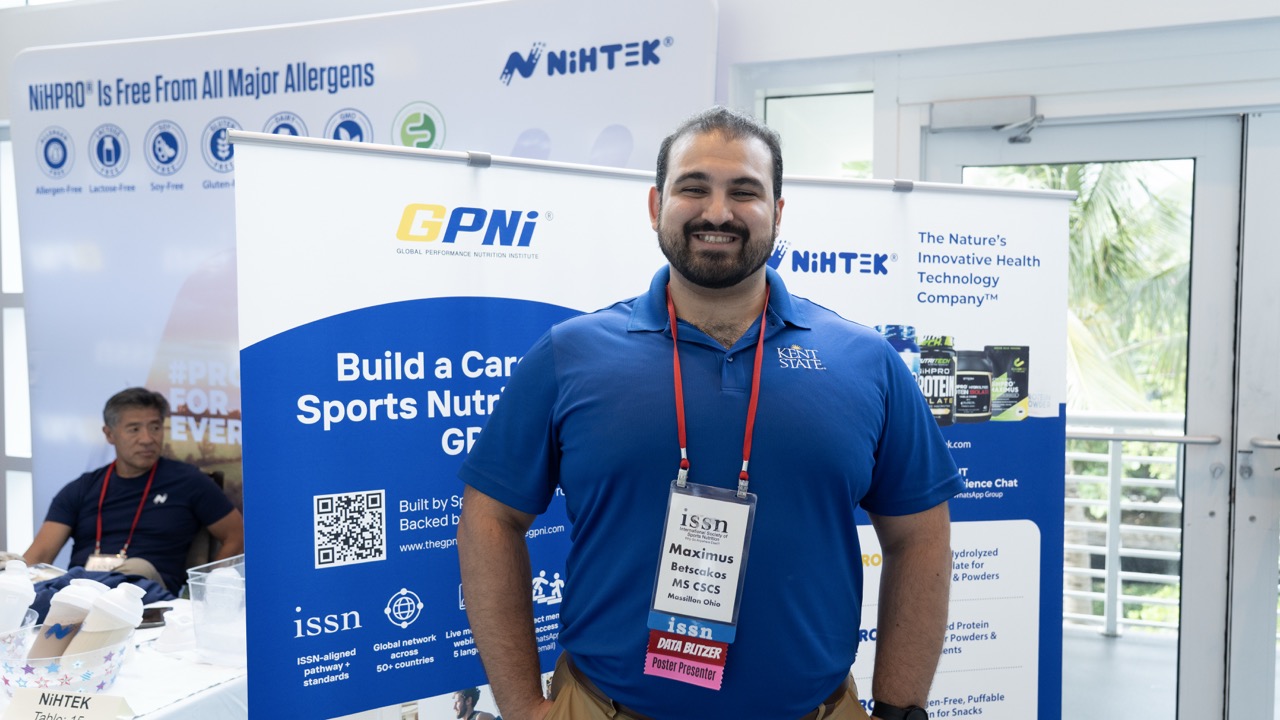

GPNi® Career Insights | The Research Poster That Opened a Career
Maximus Betscakos explains how undergraduate research and an ISSN poster helped him move from an early pre-med plan into exercise science, clinical exercise physiology, and cardiac rehabilitation.
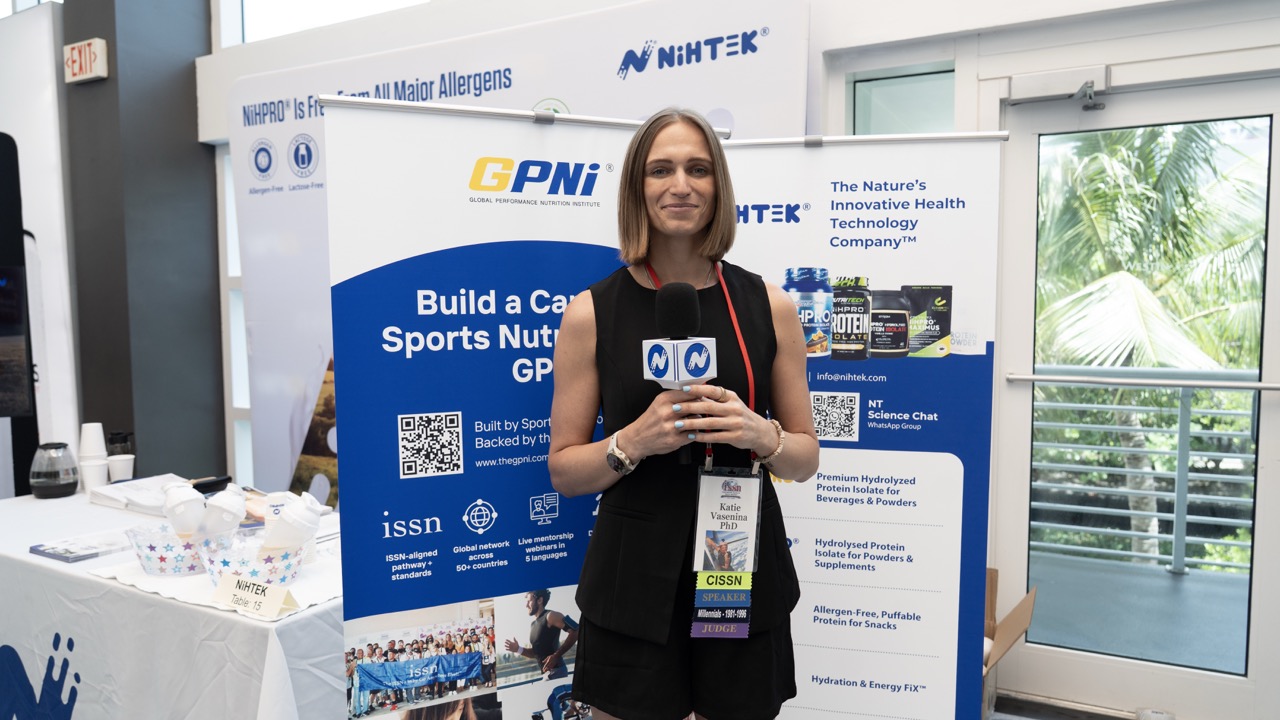
GPNi® Career Insights | The Relationships That Make Research Possible
Dr. Katie Vasenina reflects on moving from collegiate tennis into protein and recovery research, and explains how professional relationships can shape jobs, grants, consulting, and an academic career.
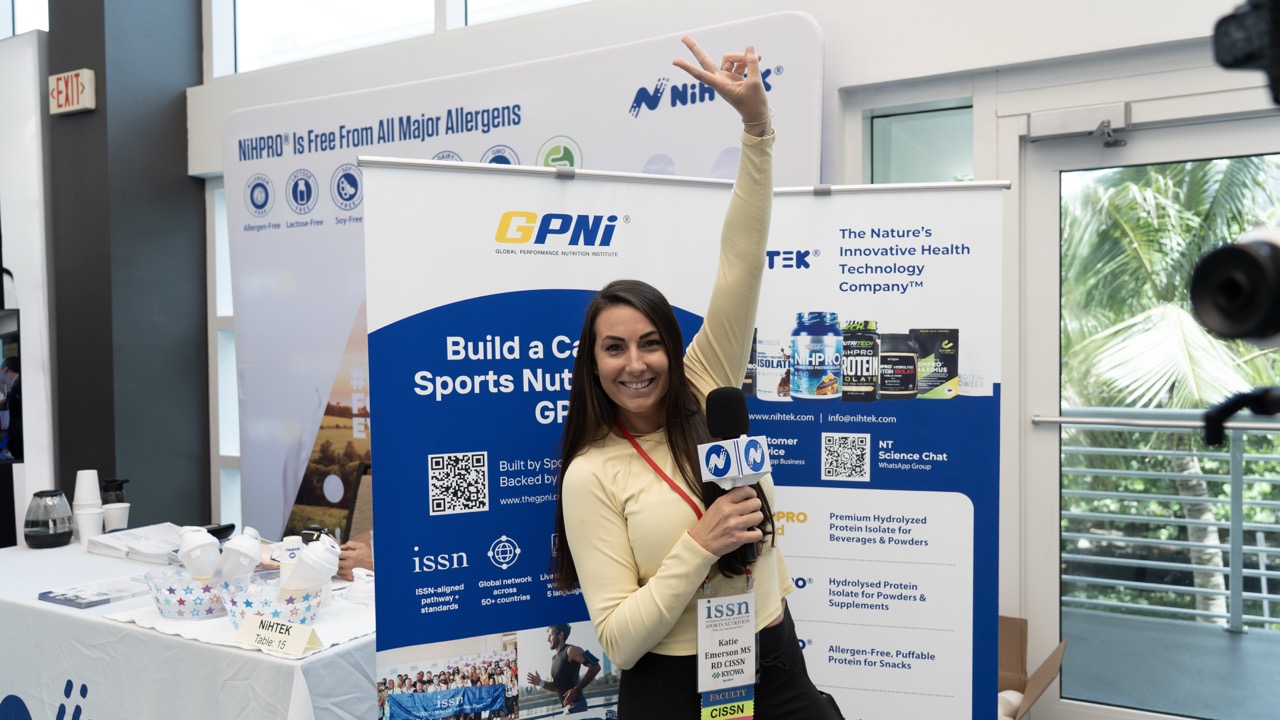
GPNi® Career Insights | Your Degree Is the Start, Not the Limit
Katie Emerson shares how a non-linear route through teaching, dietetics, collegiate sports nutrition, research, and scientific affairs created a career beyond traditional dietetic practice.
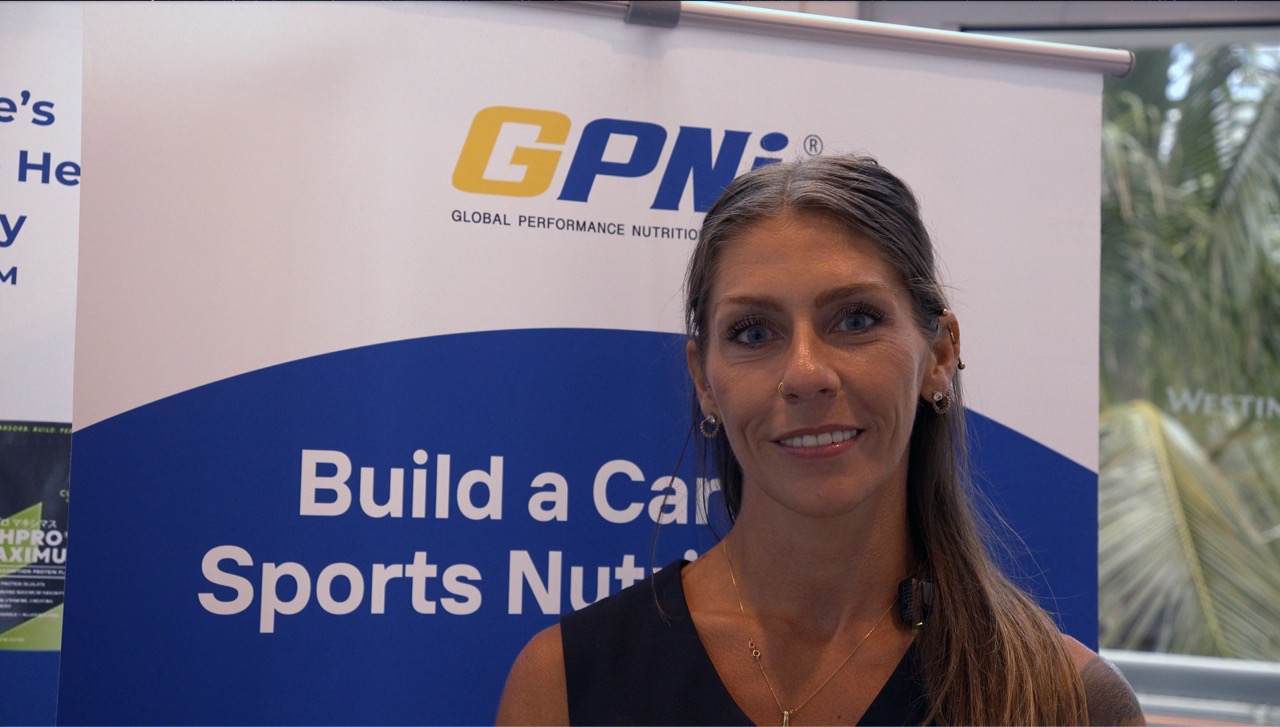
GPNi® Career Insights | Where Science Meets the Supply Chain
Genevieve Bruns explains how food science, flavour chemistry, ingredient sourcing, supply chains, and customer relationships come together in the nutraceutical industry.

How to Read a Sports Nutrition Study Without Being Misled
A practical guide to study design, sample, outcomes, uncertainty, conflicts and applicability in sports nutrition research.

Why Serious Sports Nutrition Education Requires Practical Application
Discover why case studies, active recall, feedback and professional report writing matter in serious sports nutrition education.
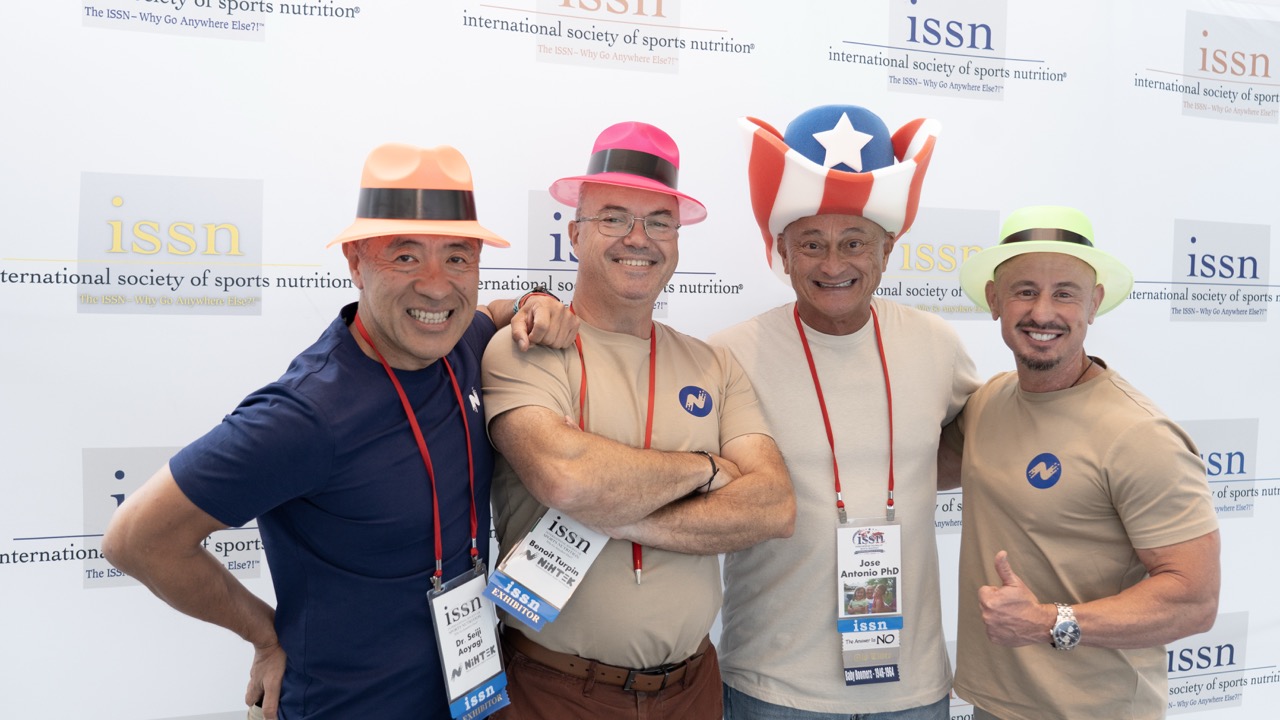
What the 23rd ISSN Conference Reminded Me About the Future of Our Profession
Drew Campbell reflects on the 23rd annual ISSN Conference in Fort Lauderdale and what its conversations reveal about the future of sports nutrition.
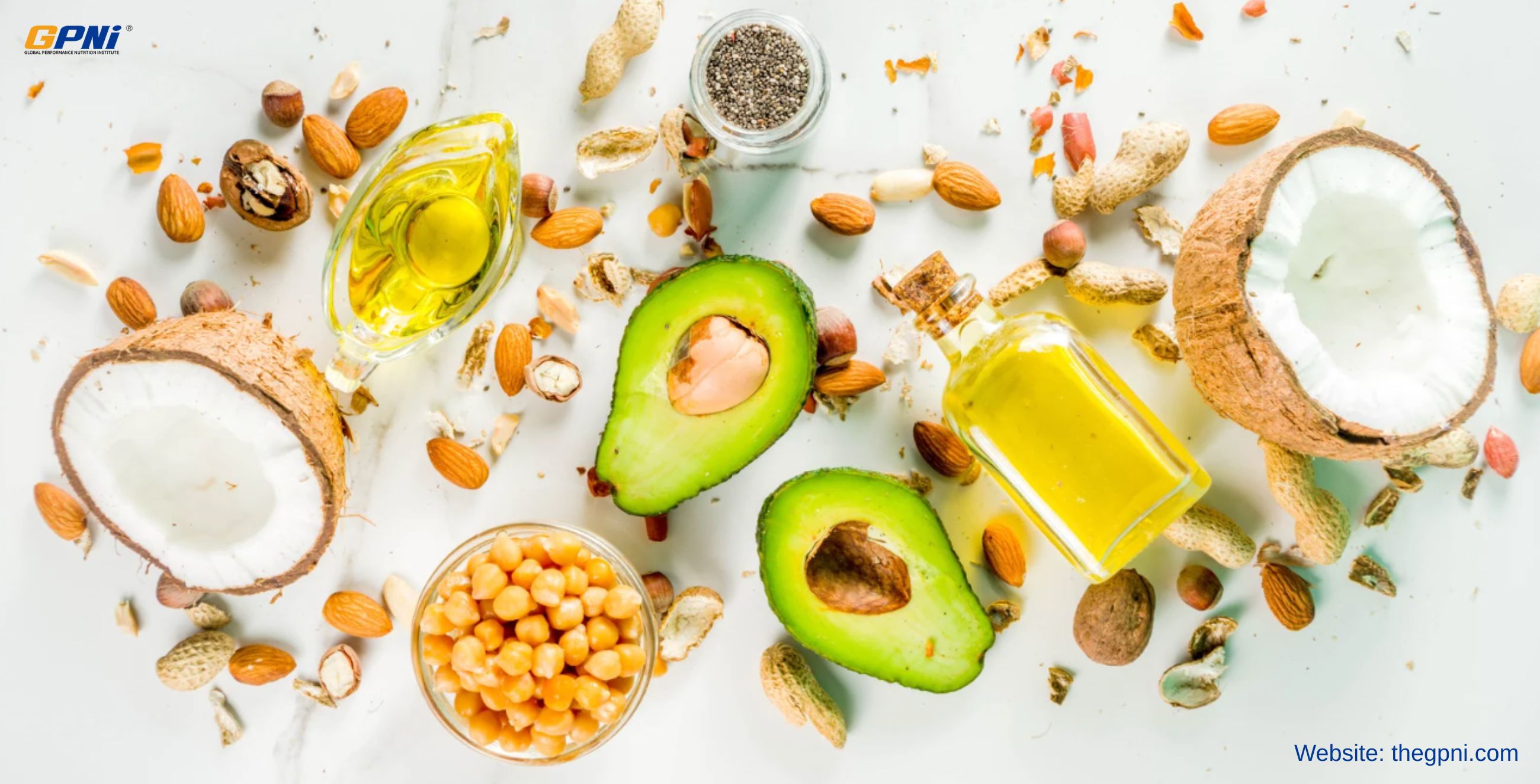
What Is the Healthiest Type of Fat? Why Fat Quality Matters for Health and Performance
Unsaturated fats are often called the healthiest fats—but why? Explore the evidence on fat quality, heart health, and practical nutrition for performance.
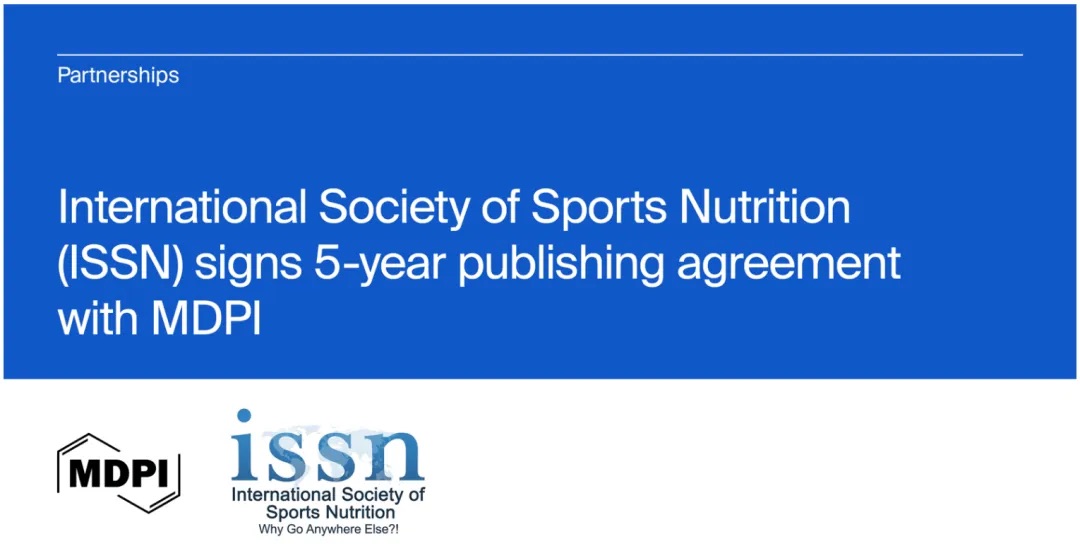
JISSN Moves to MDPI in 2027: What Should the Sports Nutrition Field Watch?
JISSN will move to MDPI in 2027 under a new publishing agreement. Here is what sports nutrition researchers, practitioners, and industry professionals should watch.
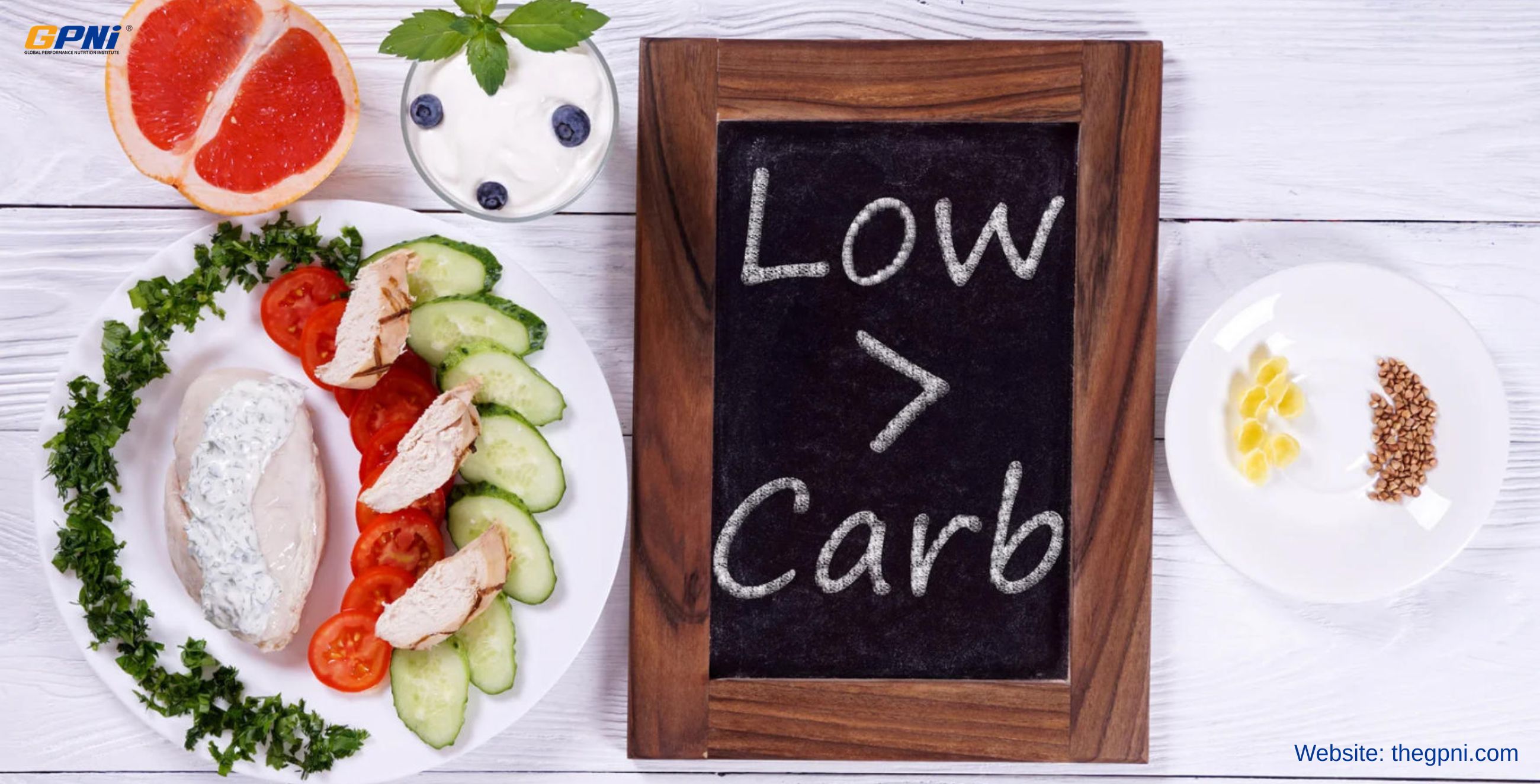
Low-Carb Diets and Endurance Performance: The Debate Is Not Over — But the Question Is Getting Better
Does a low-carbohydrate diet improve or impair endurance performance? This article reviews the latest AJCN debate and explains why fueling strategy depends on intensity, duration, and athlete goals.
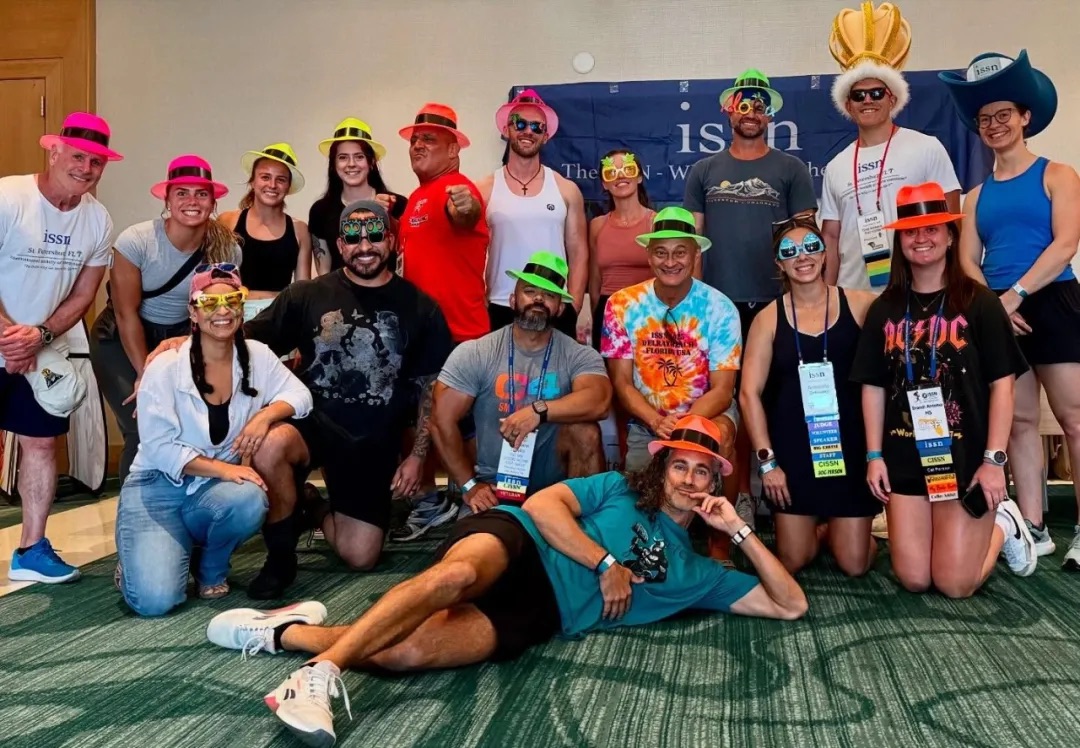
ISSN 2026 Conference: Where Sports Nutrition Moves Forward
In 2026, the 23rd Annual ISSN Conference and Expo will take place in Fort Lauderdale Beach, Florida.
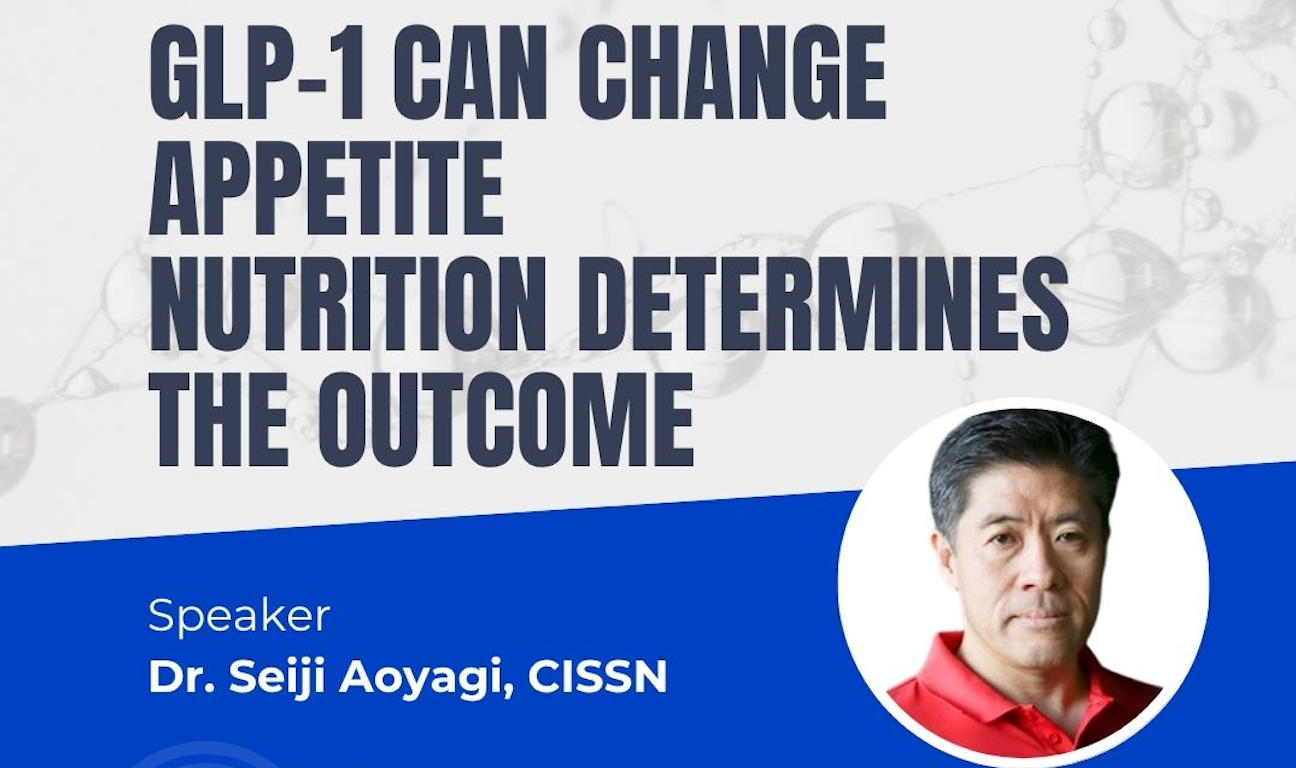
GPNi Webinar | GLP-1 Makes Eating Less Easier. But Then What?
Today, we turn to Dr. Seiji Aoyagi’s session on how nutrition can help optimize GLP-1 therapy.

GPNi Webinar | The Peptide Boom: What’s Real, What’s Regulated, and What’s Risky
Today, let’s take a closer look at Rick’s upcoming presentation on the science, regulation, and market realities of peptides.
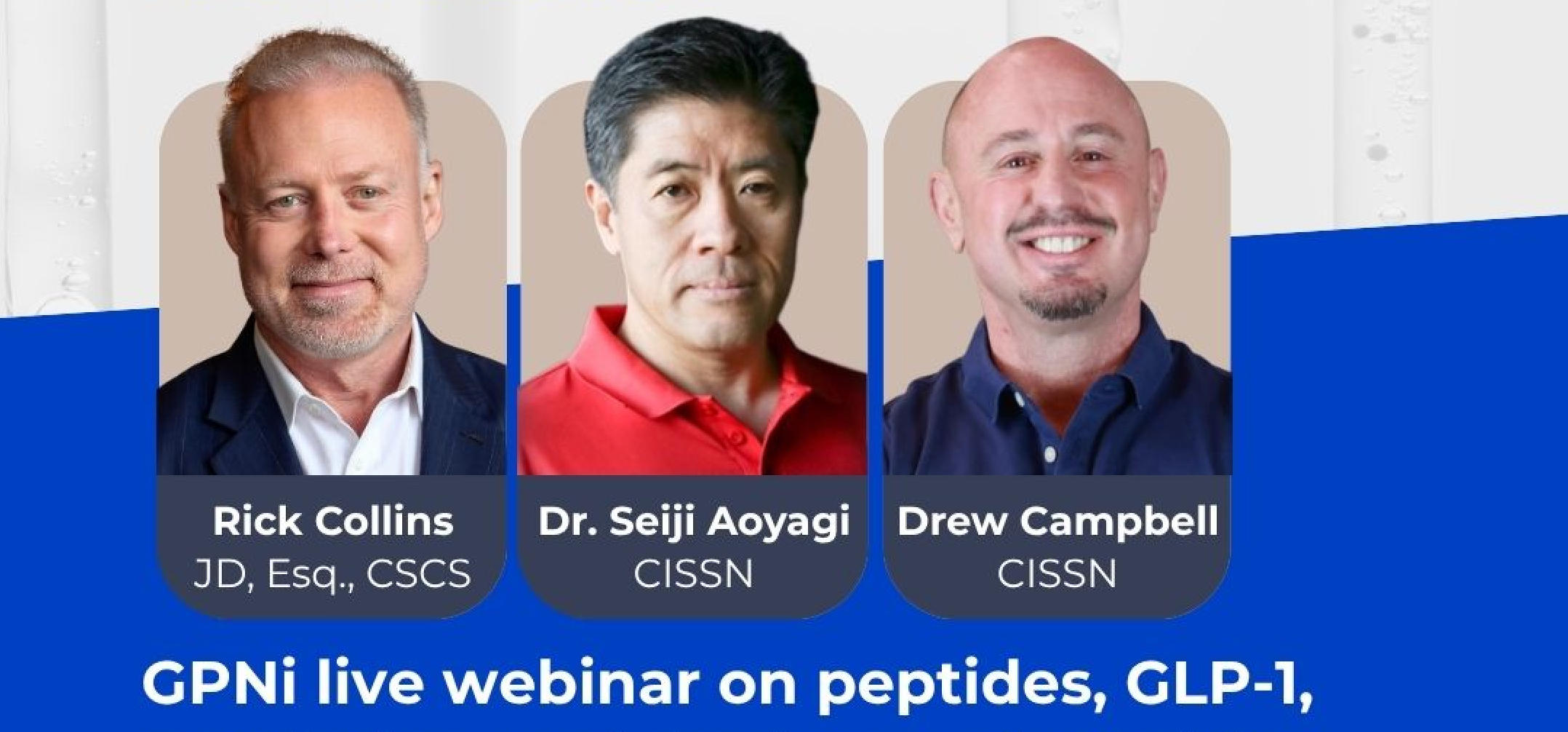
GPNi June Webinar: Peptides Are Everywhere. What Actually Matters?
Join GPNi’s free June webinar on peptides, GLP-1 therapy, and nutrition support, featuring expert insights on regulation, performance nutrition, and metabolic health.
The 4Ps of Competition Nutrition: A GPNi Perspective on Building Performance Before the Start Line
Performance does not start at the whistle. Learn how the 4Ps framework helps athletes plan nutrition before and during competition for better fueling, hydration, and execution.
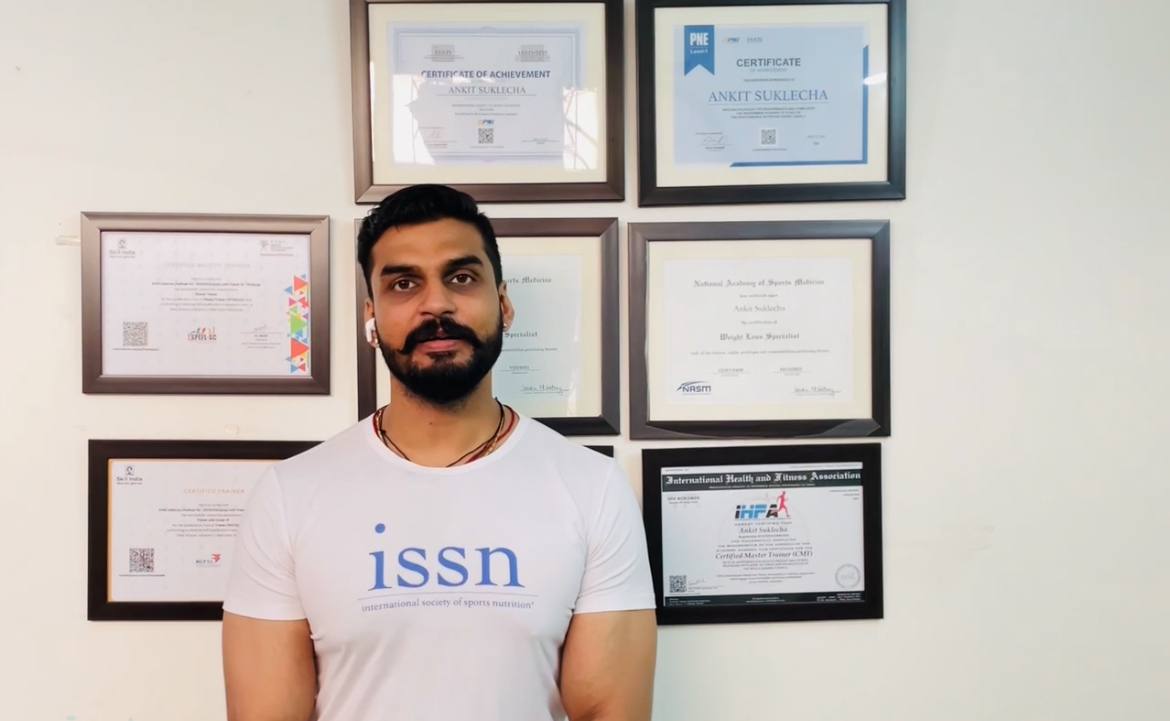
From Knowledge to Confidence: My CISSN Journey with GPNi
Discover how GPNi’s CISSN course helped a sports nutrition professional build confidence, apply evidence-based knowledge, and connect with a global community.
Article Categories
Insights from PhDs
Words from Chairman
Student Testimonials
Science Spotlight
Career News
Brain Bites
Webinars & Conferences
Performance Nutrition
Journal & Research
Trending Articles
International Society of Sports Nutrition position stand: safety and efficacy of creatine supplementation in exercise, sport, and medicine
May 15,2025
International Society of Sports Nutrition position stand: protein and exercise
May 15,2025
International society of sports nutrition position stand: Beta-Alanine
May 15,2025
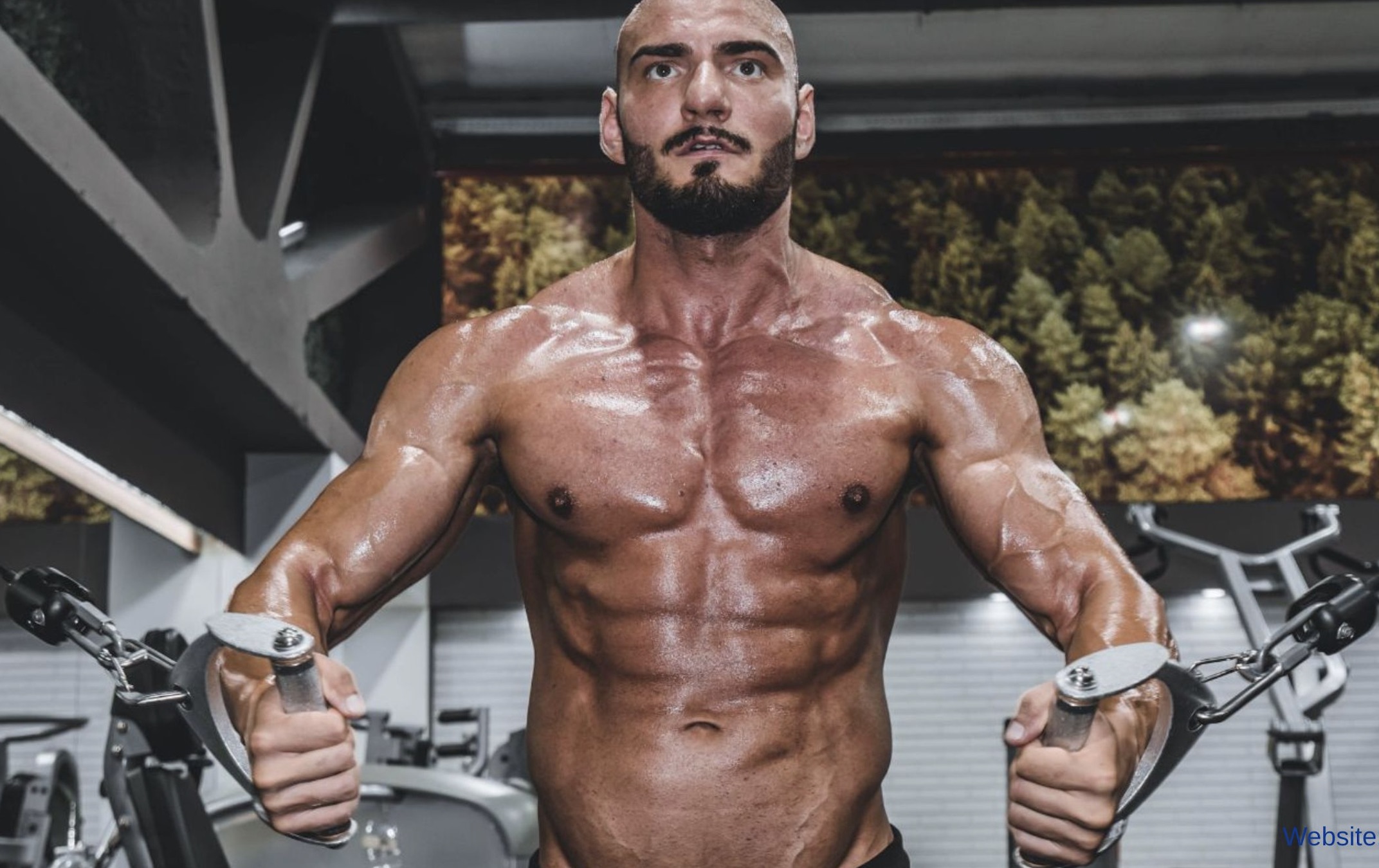
How to Look Full, Dry, and Stage-Ready: Dehydrate or Not?
Nov 25,2025

Reassessing Yeast Protein as an Alternative Protein Source
Mar 06,2026
Find us on


Subscription
Subscribe to our newsletter and receive a selection of cool articles every week
Follow us on Instagram
Stay connected and get the latest updates.


 Instagram
 Facebook
 YouTube
 Twitter
 Linkedin