All Articles

The effectiveness of protein supplements on athletic performance and post-exercise recovery − a Bayesian multilevel meta-analysis of randomized controlled trials
The effects of protein supplementation on athletic performance and post-exercise recovery appear to be limited.

A comprehensive review of the physiology and evidence base to guide the use of ergogenic and medical supplements for enhanced cycling performance
A growing body of evidence supports the use of supplements to enhance cycling performance through both direct and indirect mechanisms.
Creatine supplementation and resistance training: a comparison between novice and experienced lifters - a systematic review and dose-response meta-analysis
Creatine (Cr) supplementation is well established for enhancing fat-free mass (FFM) when combined with resistance training (RT). However, the influence of prior training experience on supplementation efficacy remains unknown.
International Society of Sports Nutrition position stand: effects of dietary antioxidants on exercise and sports performance
The International Society of Sports Nutrition (ISSN) has developed an official position on the role of dietary antioxidants in exercise and sport.
Similar effects between animal-based and plant-based protein blend as complementary dietary protein on muscle adaptations to resistance training: findings from a randomized clinical trial
Complementing dietary protein intake with either a blend of plant- or an animal-based protein similarly supported resistance training-induced muscle adaptations.
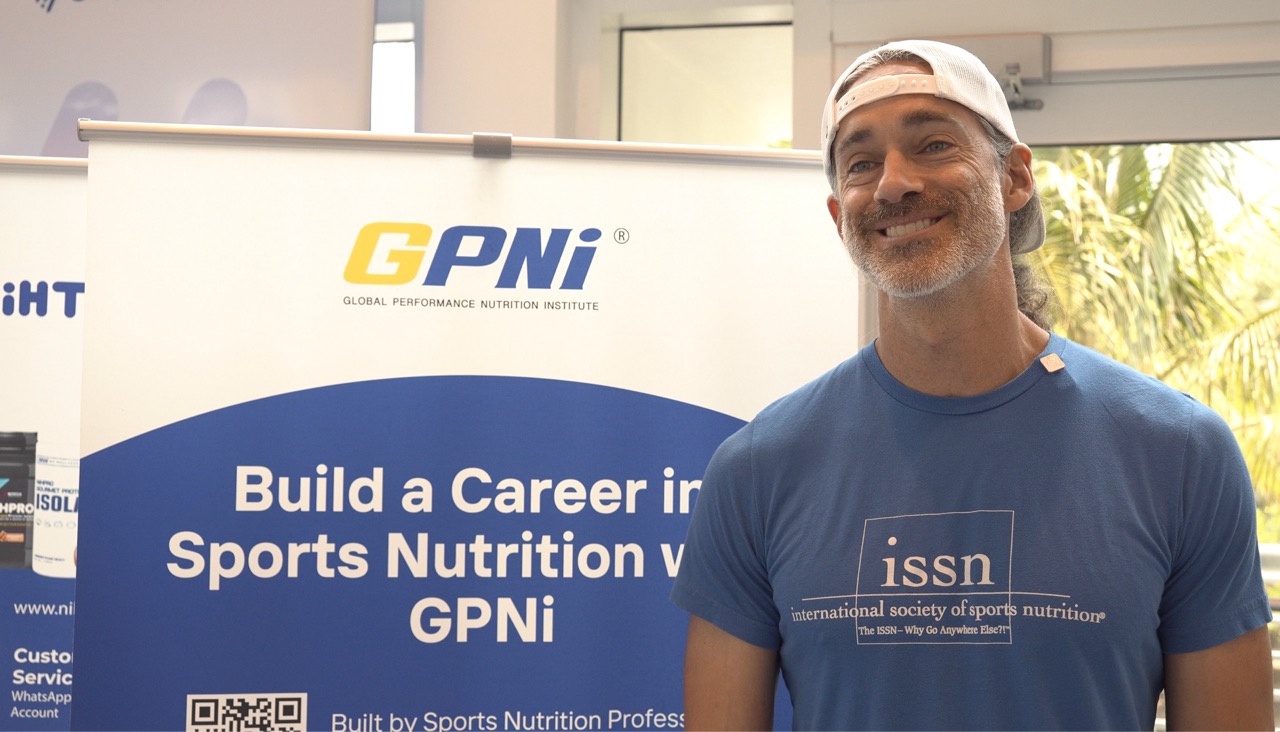
GPNi® Career Insights | More Than 15 Years In, He Is Still Figuring Things Out
Erik Bustillo shares an honest view of career uncertainty, scientific communication, ethics, networking, and long-term credibility in sports nutrition.
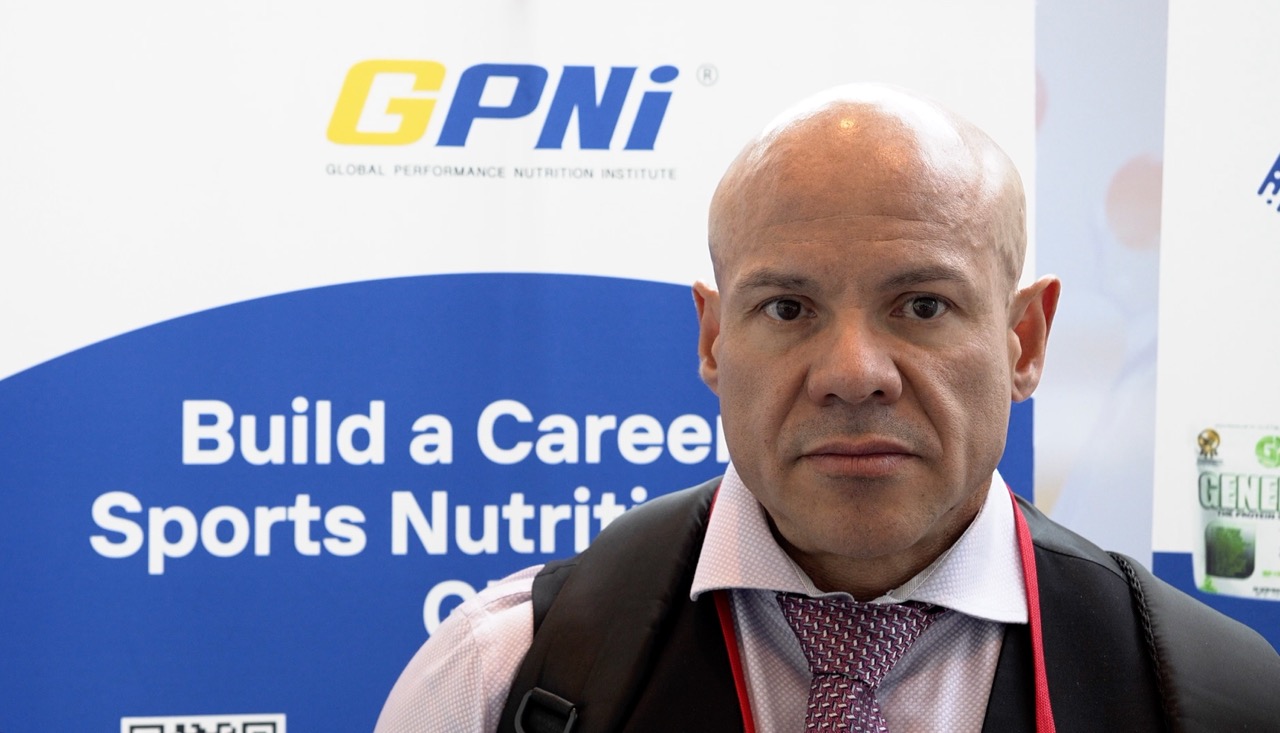
GPNi® Career Insights | One Career, Many Paths Through Sports Nutrition
Dr. Guillermo Escalante shows how sports medicine, nutrition, research, teaching, business, and professional leadership can form one career.
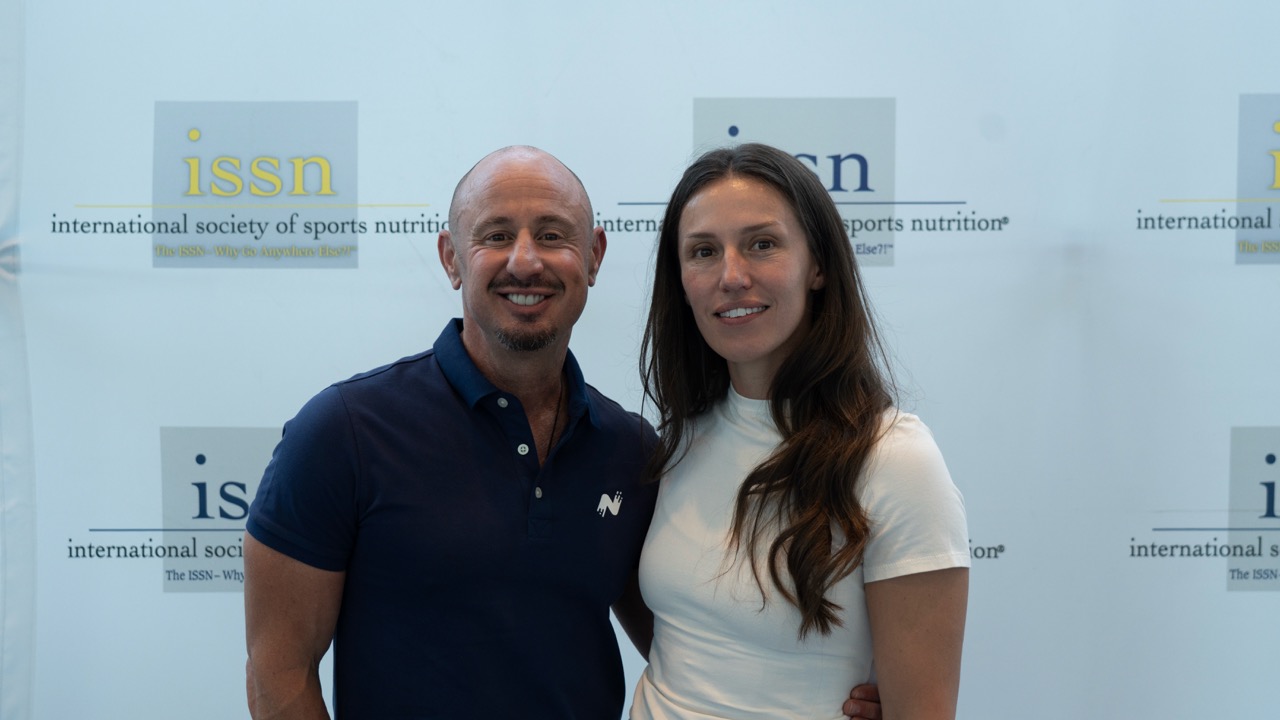
GPNi® Career Insights | From a Student Poster to the ISSN Stage
Dr. Cassie Evans reflects on moving from a nervous student poster presenter to the ISSN stage, and why asking for opportunities matters in sports nutrition.

CEC Guide | Have You Earned Enough Continuing Education Credits This Year?
Learn why continuing education credits matter for sports nutrition professionals, how GPNi’s CEC policy works, and what you need to do to maintain your certification and stay current in the industry.
Preventing Low Energy Availability (LEA) in Adolescent Female Athletes: A Sports Nutrition Perspective
An ISSN educational recap from GPNi: what LEA and REDs are, why adolescence is high-risk (bone + hormones), red flags, screening tools, and prevention steps.
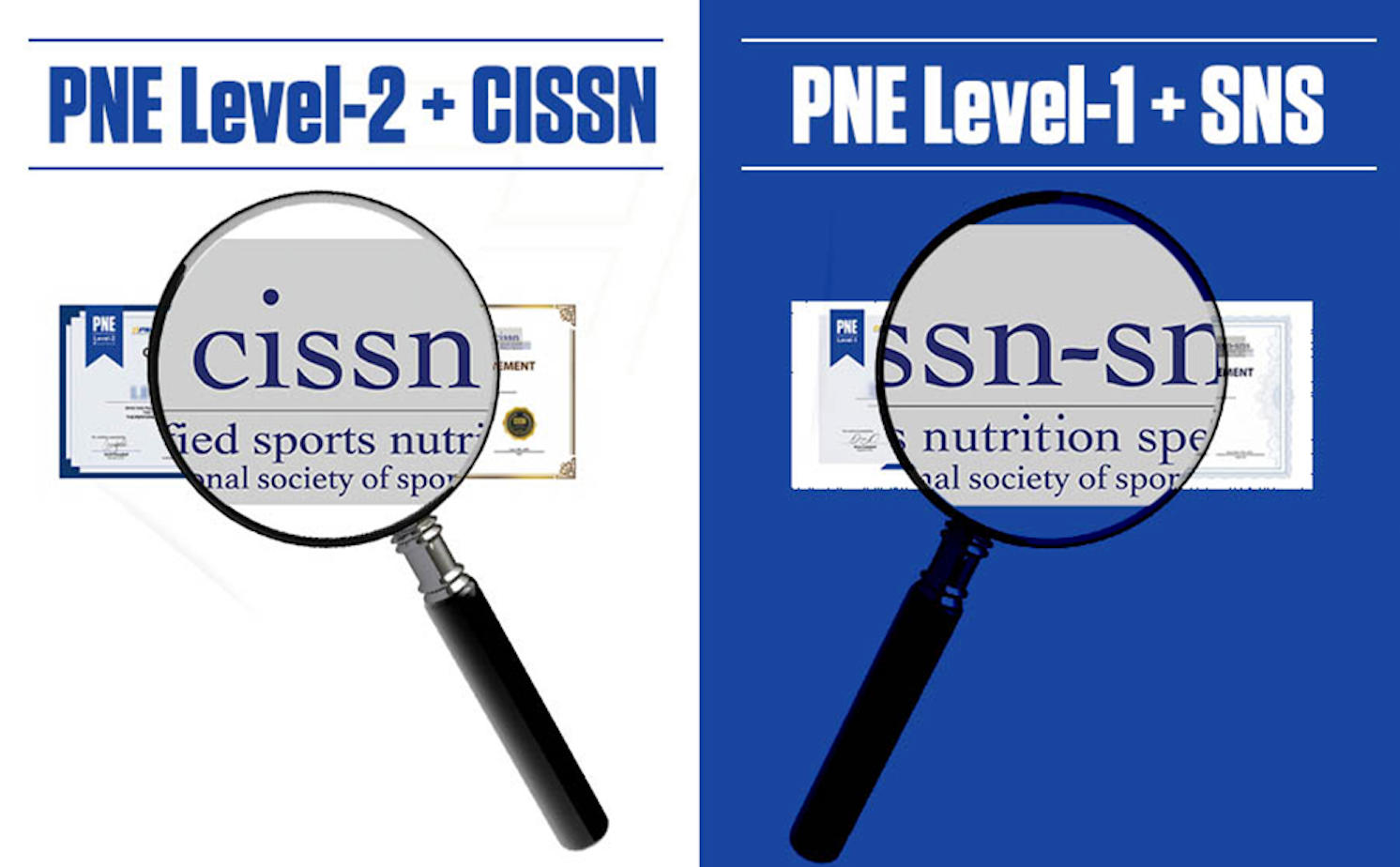
Word From the Founder: The “Passport Test” That Changed How I Think About Sports Nutrition Careers
Drew Campbell, CISSN shares the “Passport Test” for sports nutrition careers—and why GPNi® is the only global, ISSN-backed pathway with real network access.
A Word From the Founder - Why Sports Nutrition Knowledge (and Network) Is the Path to Earning More
If there is one truth I’ve learned in more than 30 years in the sports nutrition and fitness world, it is this:
A Word From the Founder of GPNi® - Where Real Sports Nutrition Begins
Today all over the world, people are looking for answers to the questions of the field of sports nutrition, performance and overall health.
Choosing the Right Sports Nutrition Certification: What Really Matters
If you're considering getting a sport nutrition course You're not alone. The need for trained

Career Spotlight: Peng Xie - From Gym-Floor Coaching to Evidence-Based Teaching
From coach to educator: Peng Xie on evidence-based learning, teaching sports nutrition, and building a credible career through structured certification.
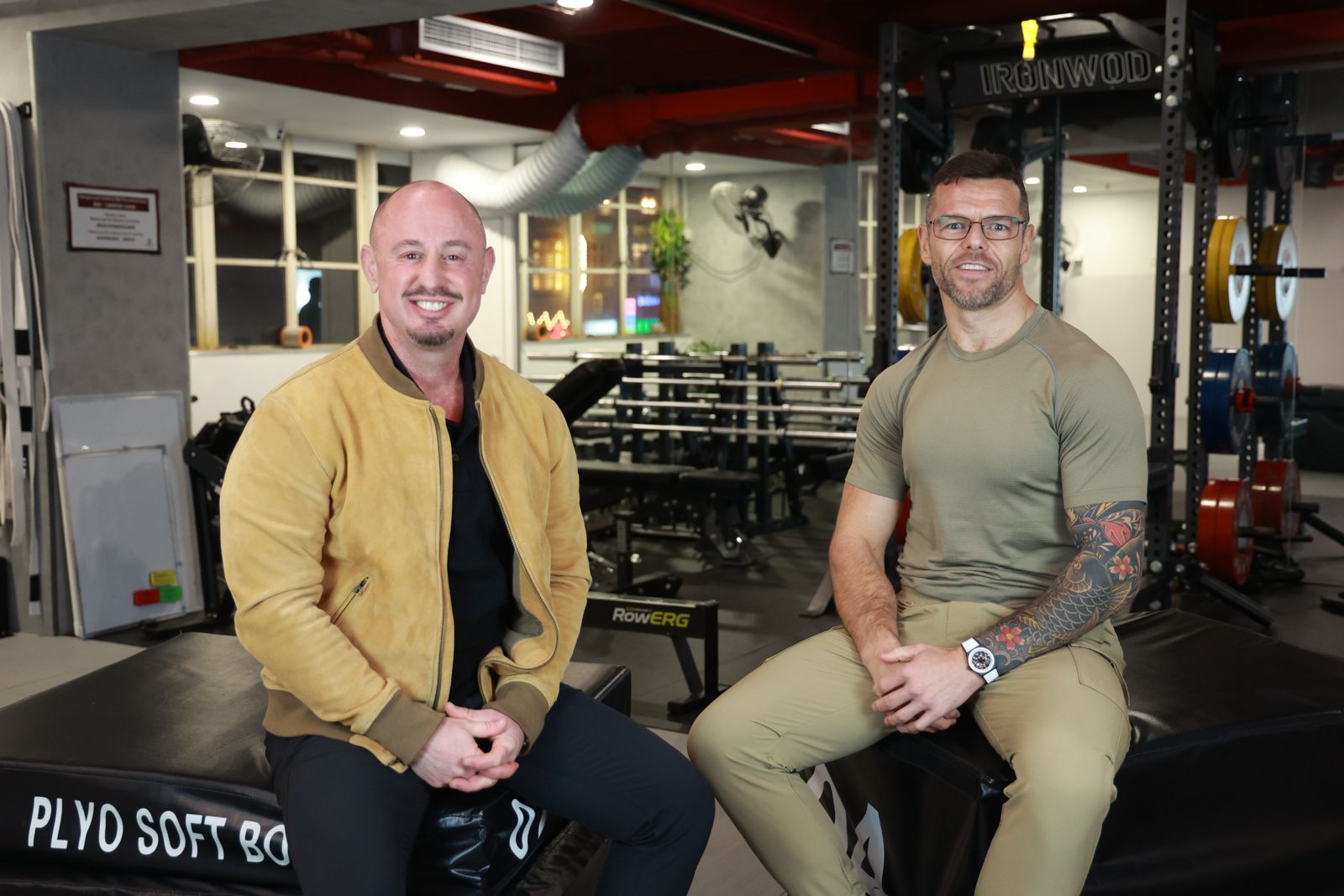
Word From the Founder: In Sports Nutrition, Who You Know Matters as Much as What You Know
Learn why career growth in sports nutrition is driven by credibility, connections, and recognised education. Discover the GPNi® advantage: ISSN-backed pathways, community, and global network.
Article Categories
Insights from PhDs
Words from Chairman
Student Testimonials
Science Spotlight
Career News
Brain Bites
Webinars & Conferences
Performance Nutrition
Journal & Research
Trending Articles
International Society of Sports Nutrition position stand: safety and efficacy of creatine supplementation in exercise, sport, and medicine
May 15,2025
International Society of Sports Nutrition position stand: protein and exercise
May 15,2025
International society of sports nutrition position stand: Beta-Alanine
May 15,2025
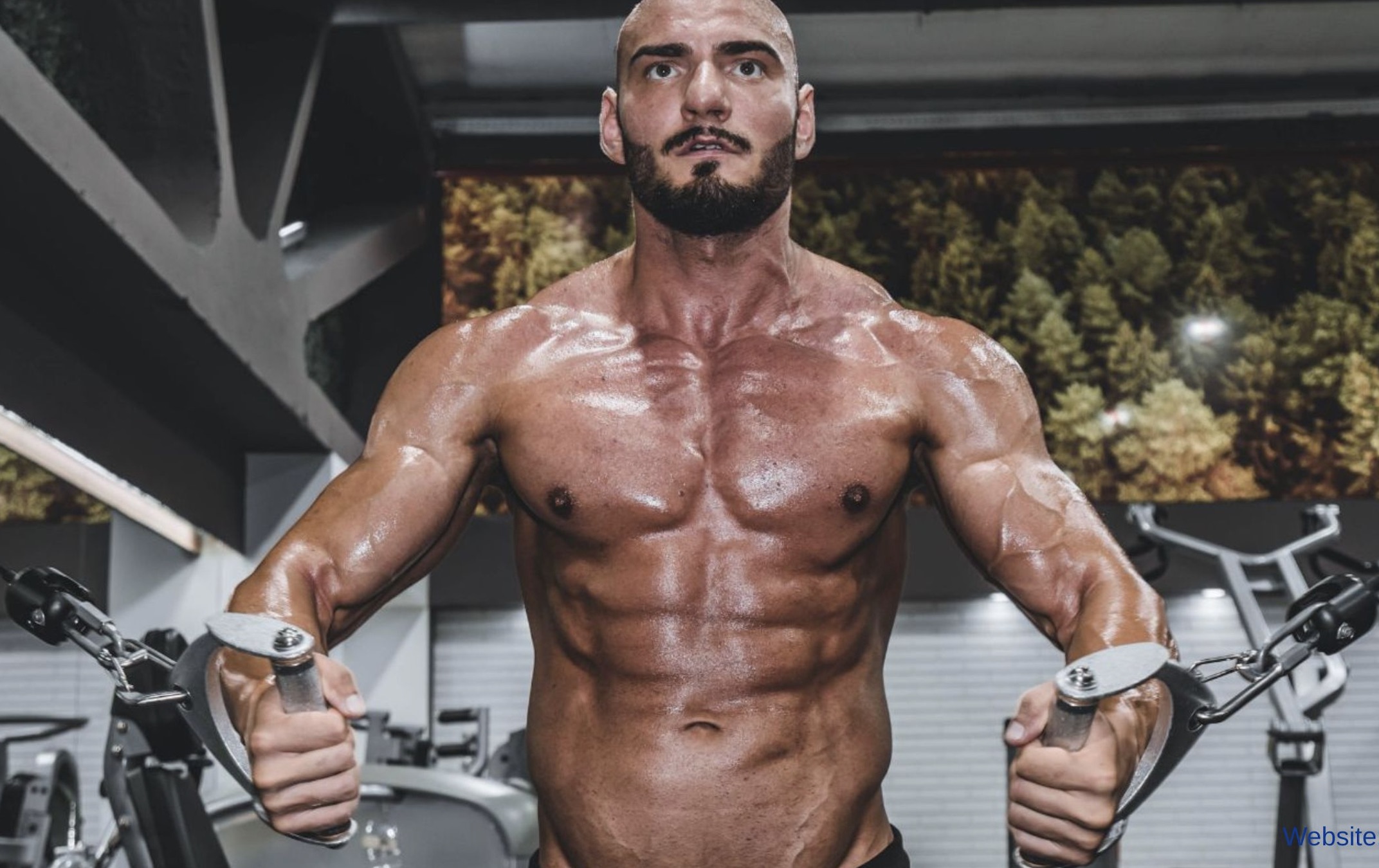
How to Look Full, Dry, and Stage-Ready: Dehydrate or Not?
Nov 25,2025

Reassessing Yeast Protein as an Alternative Protein Source
Mar 06,2026
Find us on


Subscription
Subscribe to our newsletter and receive a selection of cool articles every week
Follow us on Instagram
Stay connected and get the latest updates.


 Instagram
 Facebook
 YouTube
 Twitter
 Linkedin