Today, we are continuing our conversation about why eating more fruit and vegetables is generally a good idea.
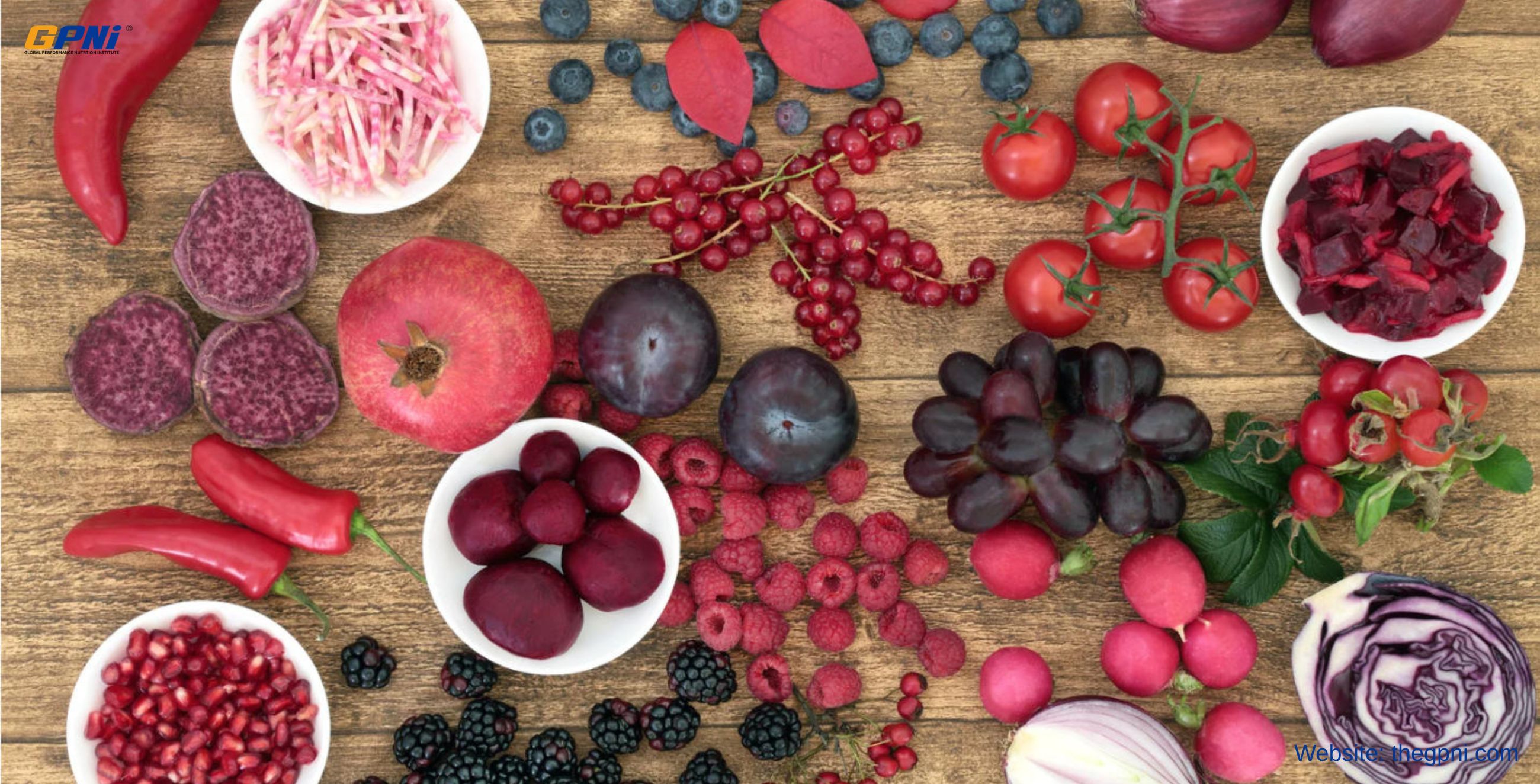
This time, however, we are looking beyond produce. Whole grains and starchy vegetables also belong in the conversation because the nutrient compounds we are discussing can be found across a wide range of plant foods—especially those with deep red, purple, blue, or nearly black colors.
Meet anthocyanins.
You may also have heard of anthocyanidins. The two are closely related, but they are not exactly the same. Anthocyanins are the more stable, sugar-bound forms commonly found in foods, while anthocyanidins are their sugar-free counterparts. In everyday nutrition discussions, however, the terms are sometimes used interchangeably.
Put simply, these compounds are part of what gives many plants their rich red, purple, blue, and black colors.
More Than Just a Natural Color
Anthocyanins are found in many deeply colored fruits, vegetables, grains, and starchy foods. They are also used as natural colorants in products such as fruit juice, soft drinks, and wine.
After we eat anthocyanin-rich foods, the compounds are broken down and transformed into a range of metabolites. Some appear in the bloodstream relatively quickly, while others are processed by the gut microbiota and may remain relevant for longer than the original compounds themselves.
Deeply pigmented foods may occasionally cause temporary changes in the color of urine or stool. However, anthocyanins are not the only food pigments that can do this. Persistent or unexplained red urine or stool should not automatically be blamed on food.
Their color may be striking, but what interests researchers is what anthocyanins may do inside the body.
Supporting the Body’s Antioxidant Defenses
Oxidation is not inherently harmful. It is part of normal metabolism, and some of the oxidative signals produced during exercise help the body adapt to training.
Problems may arise when oxidative stress remains unusually high for an extended period. This can place additional strain on cells and may affect recovery.
Anthocyanins have demonstrated antioxidant activity in laboratory research. In the body, their effects are likely to be more complex than simply “neutralizing free radicals.” They may also influence cell-signaling pathways and support the body’s own antioxidant defense systems.
This is one reason anthocyanin-rich foods have attracted interest in sports nutrition. Hard training, competition, and prolonged endurance exercise can temporarily increase oxidative stress, inflammation, muscle soreness, and fatigue.
Research suggests that anthocyanin-rich foods—particularly berries and tart cherries—may support some aspects of recovery, including antioxidant capacity, inflammation, muscle soreness, and the restoration of strength or power. The results are promising, although responses vary between studies, foods, doses, and types of exercise.
There is also an important point to remember: more antioxidants are not always better.
Some oxidative signaling after exercise contributes to training adaptation. For everyday nutrition, it therefore makes sense to prioritize whole foods rather than relying on high doses of concentrated antioxidant supplements over long periods.
A Potential Role in Inflammation
Short-term inflammation is a normal part of the body’s response to training, injury, and infection. Long-term, low-grade inflammation, however, is associated with a range of chronic health problems.
Anthocyanins may influence several signaling pathways involved in inflammation. Studies involving different populations suggest that anthocyanin-rich foods or supplements may improve certain inflammatory markers.
That does not make them a treatment for inflammation. Their value is better understood as one part of an overall dietary pattern rich in fruit, vegetables, whole grains, and other minimally processed plant foods.
Metabolic and Cardiovascular Health
Anthocyanins have also been studied for their possible effects on glucose regulation, blood lipids, blood-vessel function, and cardiovascular health.
Regularly eating anthocyanin-rich foods may support some cardiometabolic markers, including cholesterol levels, endothelial function, antioxidant status, and inflammatory measures. However, these foods should not be described as a treatment for diabetes or cardiovascular disease.
Researchers are also exploring possible roles for anthocyanins in eye health and cancer-related biological pathways. Most of this evidence points to potential supportive effects rather than proven disease prevention. Eating blueberries or bilberries, for example, should not be presented as a reliable way to prevent myopia or cancer.
Where Can You Find Anthocyanins?
Anthocyanin content varies considerably according to the plant variety, ripeness, growing conditions, storage, and preparation method. Rather than focusing on a precise ranking, aim to eat a variety of deeply colored plant foods.
Vegetables
Good options include:
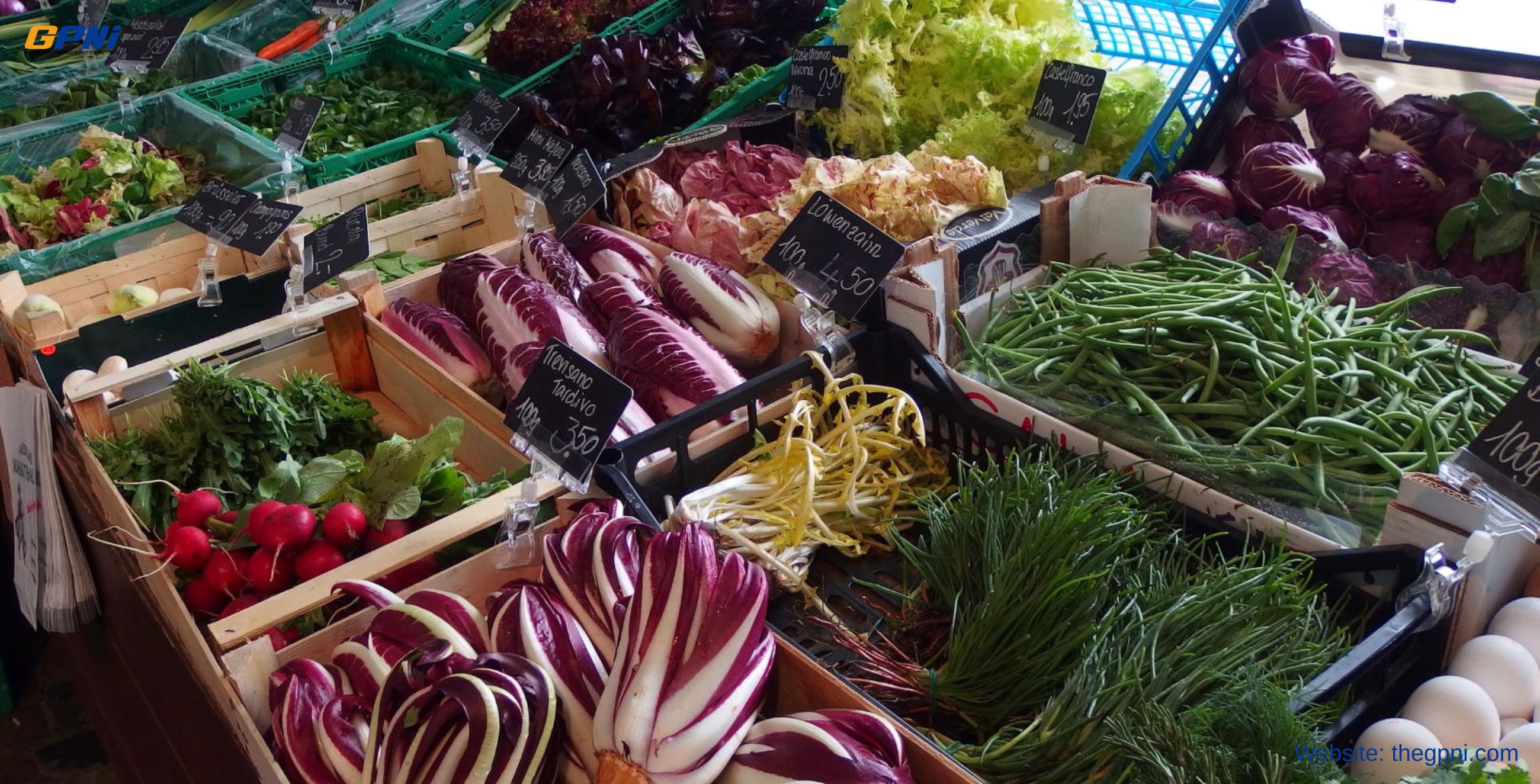
- Red cabbage
- Eggplant
- Red onion
- Purple shiso
- Red amaranth
- Purple carrots
Grains and Starchy Foods
Try adding:
- Black rice
- Purple rice
- Purple sweet potatoes
- Purple corn
- Dark-colored sorghum
Fruit
Anthocyanin-rich choices include:
- Mulberries
- Blueberries
- Blackberries
- Chinese bayberries
- Cherries
- Dark-colored grapes
- Pomegranate
- Hawthorn berries
Make Your Plate a Little Darker—and More Colorful
You do not need to calculate your daily anthocyanin intake.
Add some black or purple rice to regular rice. Swap an ordinary sweet potato for a purple one occasionally. Go beyond apples and bananas by including berries, cherries, or dark grapes. Use red cabbage, eggplant, red onion, or purple carrots alongside your usual vegetables.
These small changes can naturally increase your intake of anthocyanins and many other beneficial plant compounds.
The takeaway is simple: color is not a guarantee that a food is “super,” but a more colorful, varied plant-based diet is usually a step in the right direction.


















 Instagram
 Facebook
 YouTube
 Twitter
 Linkedin