All Articles
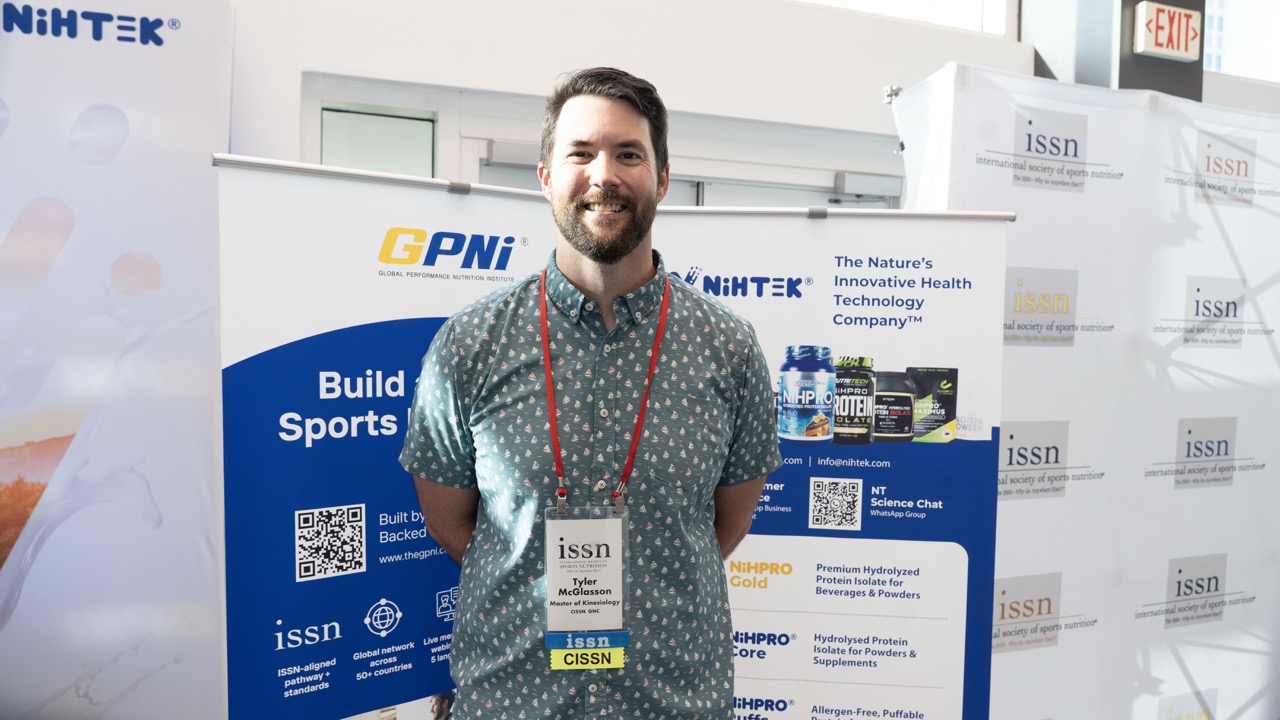

GPNi® Career Insights | From Regulatory Review to Product Creation
GNC product-development leader Tyler McGlasson explains how regulatory compliance became a foundation for creating evidence-informed sports nutrition products.
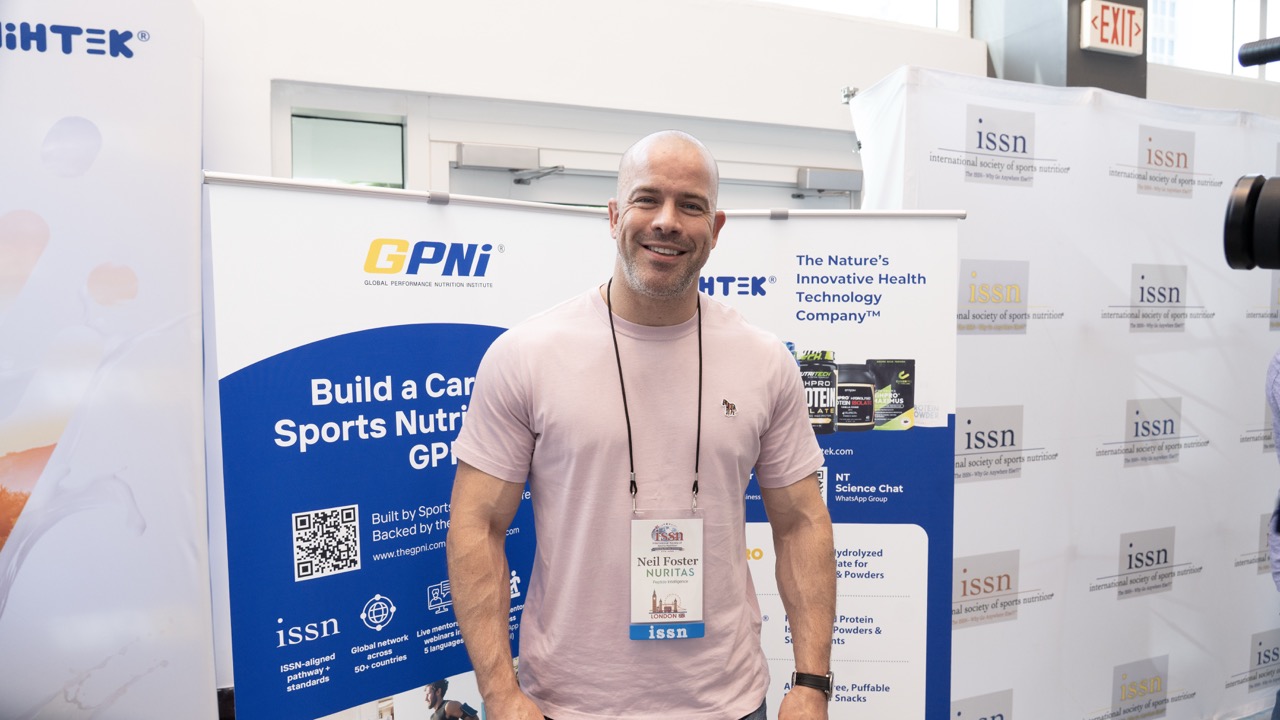
GPNi® Career Insights | Why Sports Nutrition Often Sees the Future First
Nuritas executive Neil Foster discusses AI-discovered bioactive peptides, scientific partnerships, and why sports nutrition often leads wider food and beverage innovation.
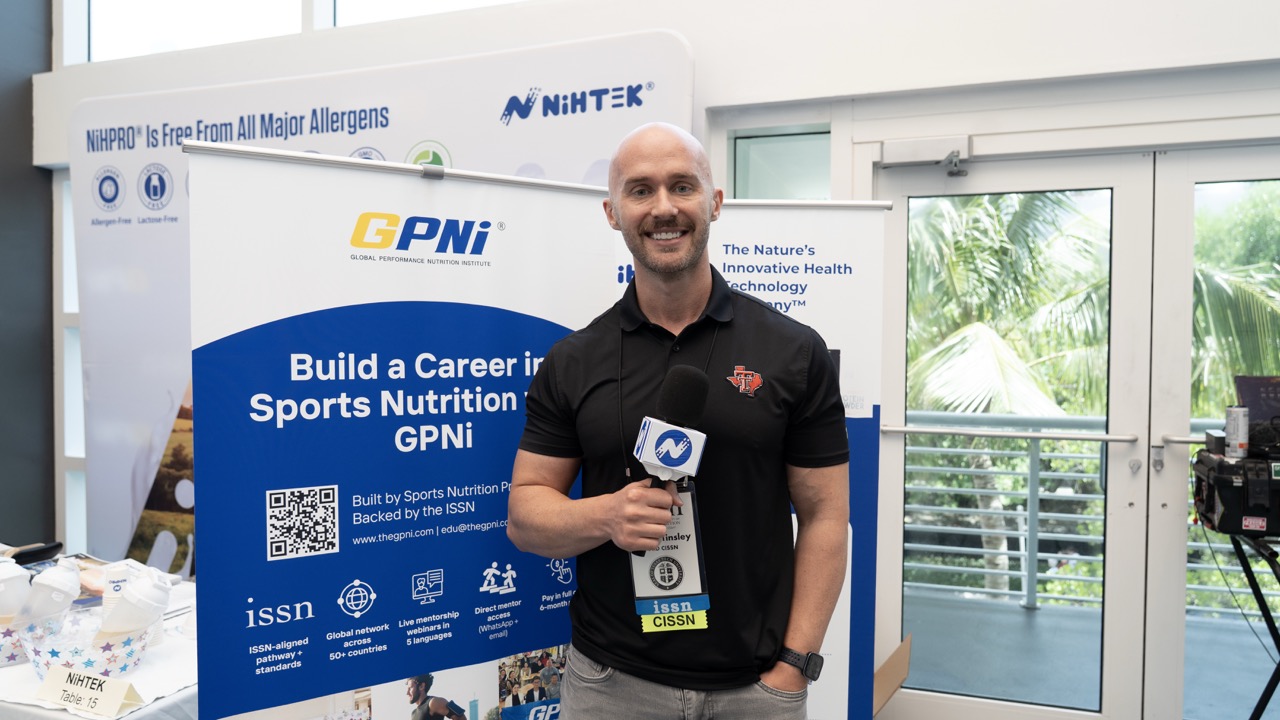
GPNi® Career Insights | The Conference Trip That Became a Career Investment
Professor Grant Tinsley explains how a last-minute ISSN trip helped build research collaborations, career relationships, and more than a decade of professional growth.
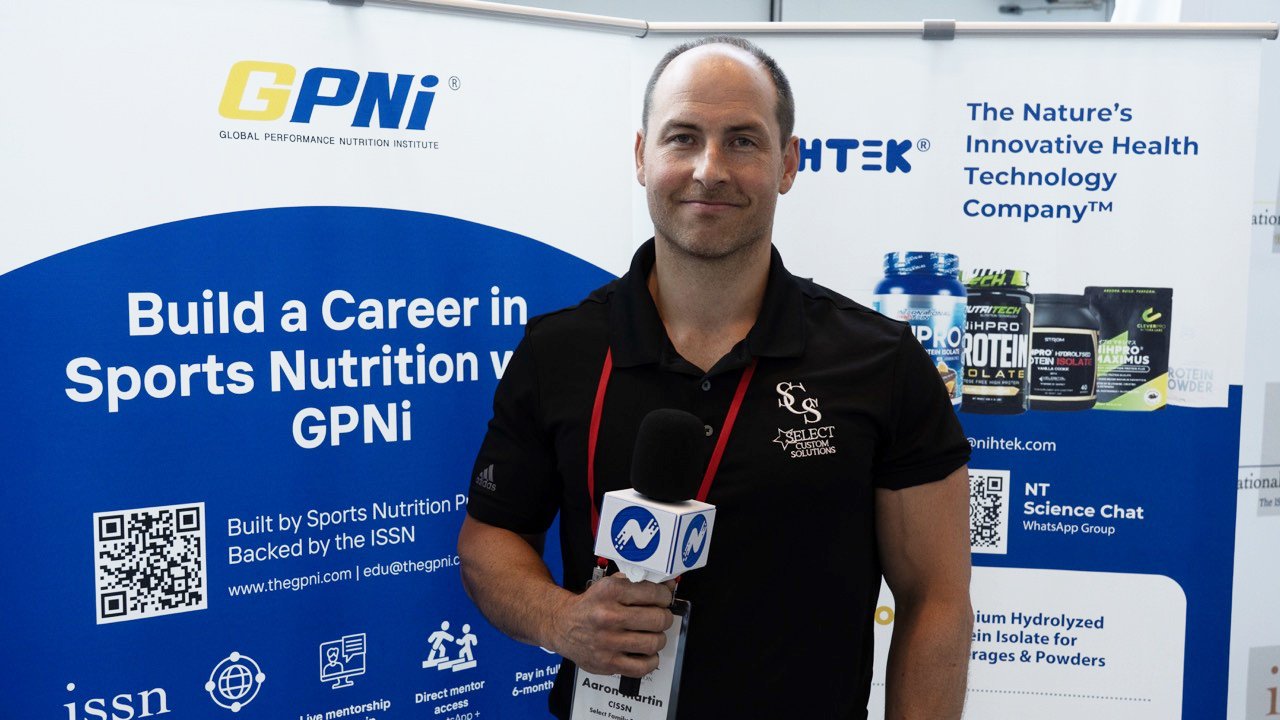
GPNi® Career Insights | Where Science Becomes Product Innovation
Product innovation leader Aaron Martin reflects on 15 years at ISSN, translating research into products, and building a career through genuine professional relationships.
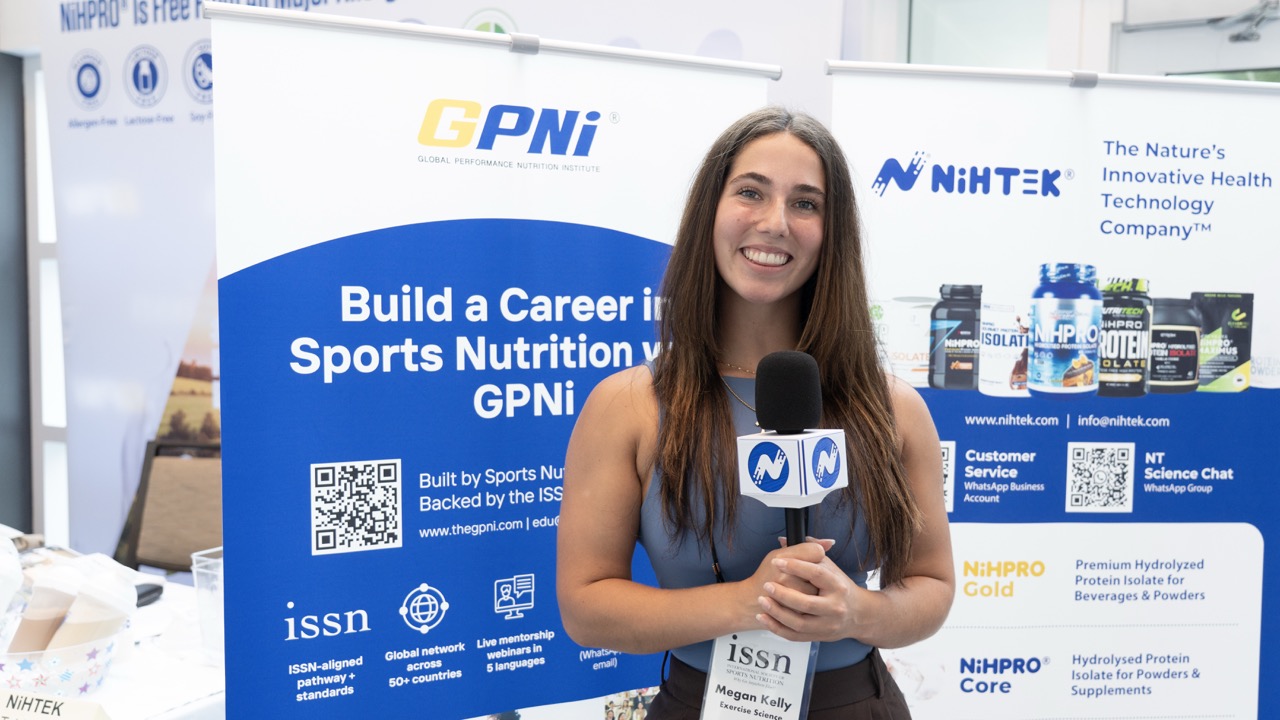
GPNi® Career Insights | Start Before You Feel Ready
Undergraduate researcher Megan Kelly reflects on mentorship, her first ISSN conference, and why athlete nutrition must remain individualized.
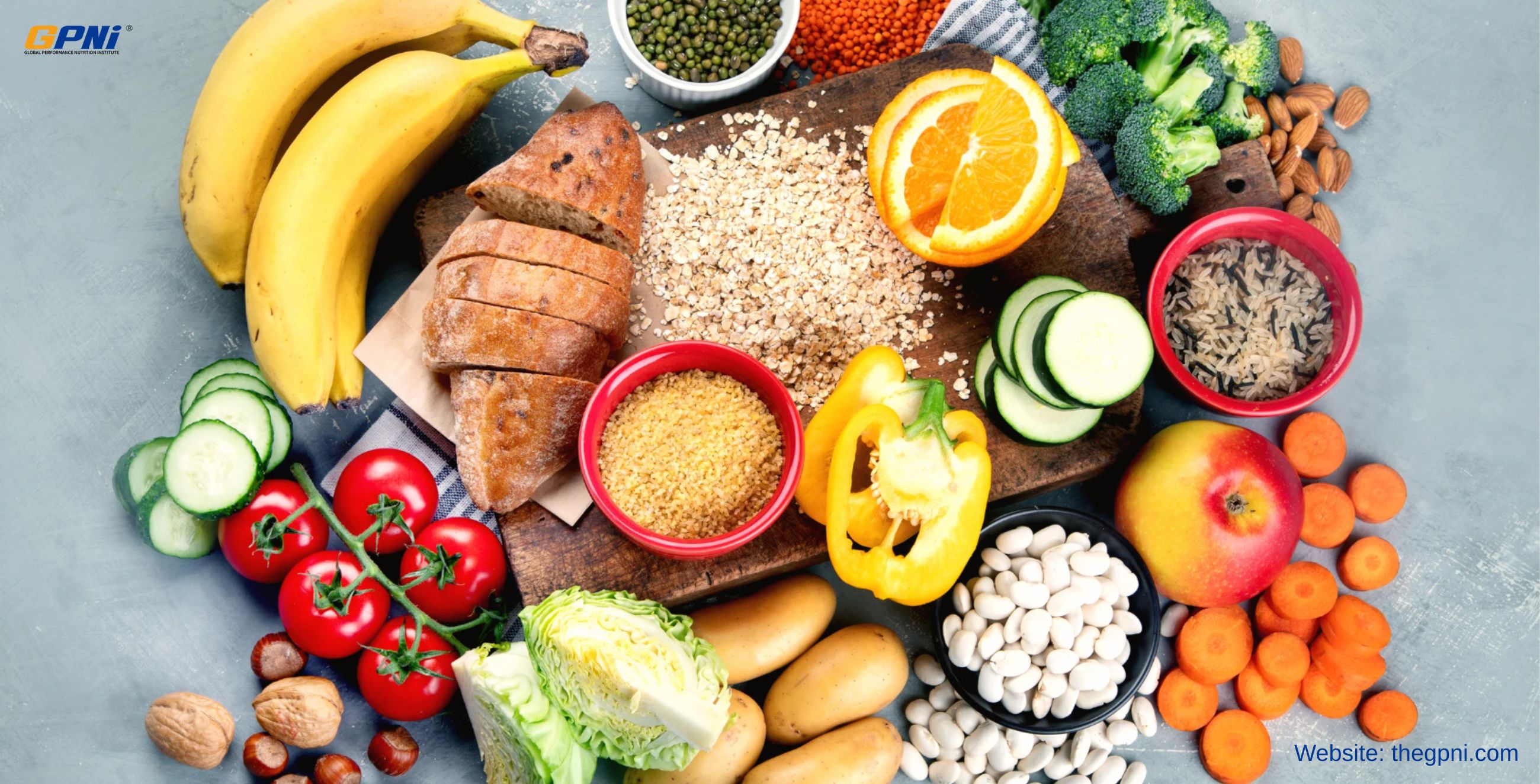
Carb Loading Has Changed: Why You Probably Don’t Need a Depletion Phase
Learn how carbohydrate loading has evolved from the classic depletion–repletion model to modern evidence-based strategies for maximizing muscle glycogen and endurance performance.
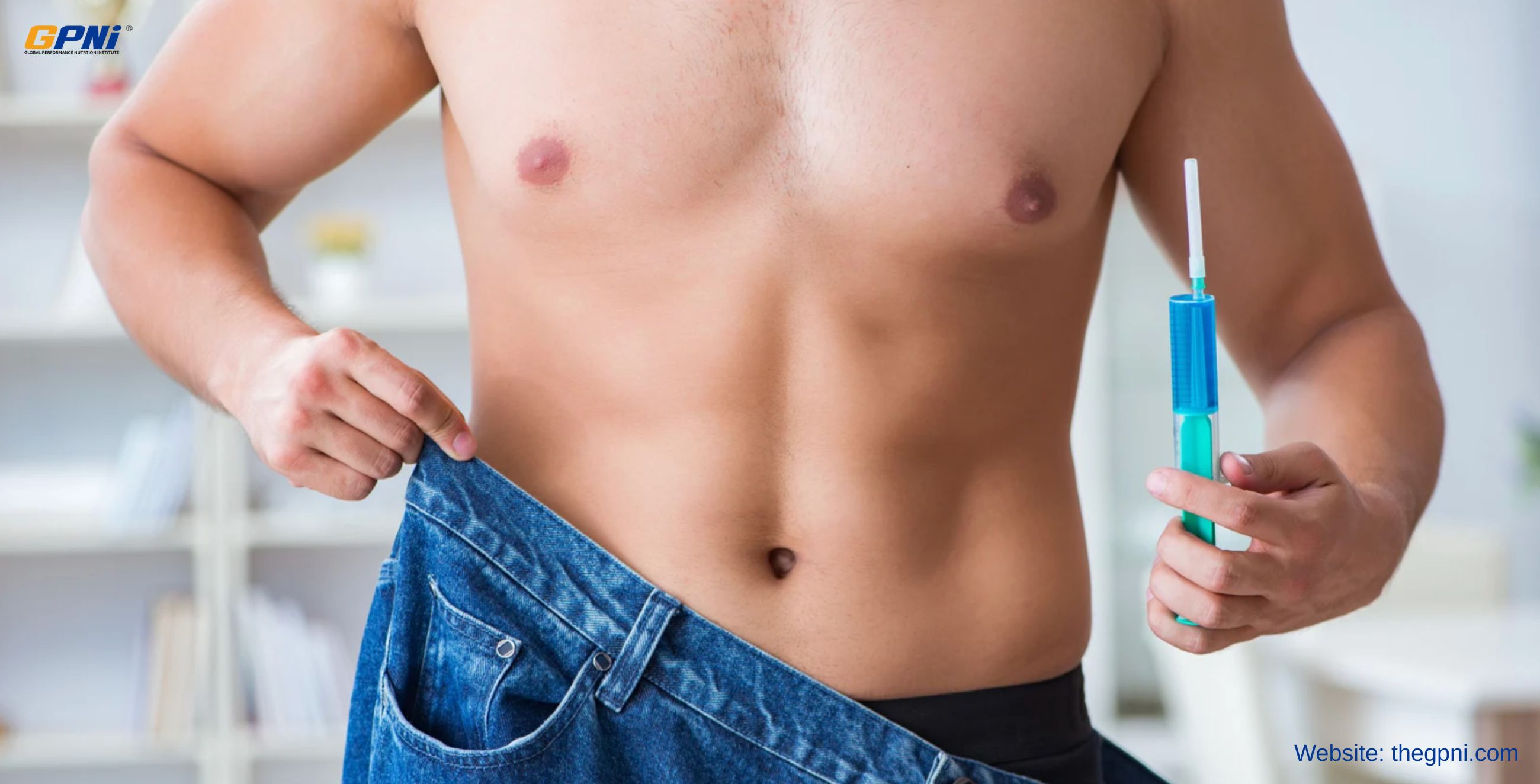
After GLP-1 Weight Loss: What Happens When Appetite Comes Back?
What happens after GLP-1 weight loss? Explore the evidence on weight regain, nutrition, lean mass, exercise and the role—and limits—of sports supplements.

International society of sports nutrition position stand: β-hydroxy-β-methylbutyrate (HMB)
The International Society of Sports Nutrition (ISSN) bases the following position stand on an analysis of the literature regarding the effects of β-Hydroxy-β-Methylbutyrate (HMB).
GPNi® Career Insights | The Conference Trip That Became a Career Investment
Professor Grant Tinsley explains how a last-minute ISSN trip helped build research collaborations, career relationships, and more than a decade of professional growth.
After GLP-1 Weight Loss: What Happens When Appetite Comes Back?
What happens after GLP-1 weight loss? Explore the evidence on weight regain, nutrition, lean mass, exercise and the role—and limits—of sports supplements.
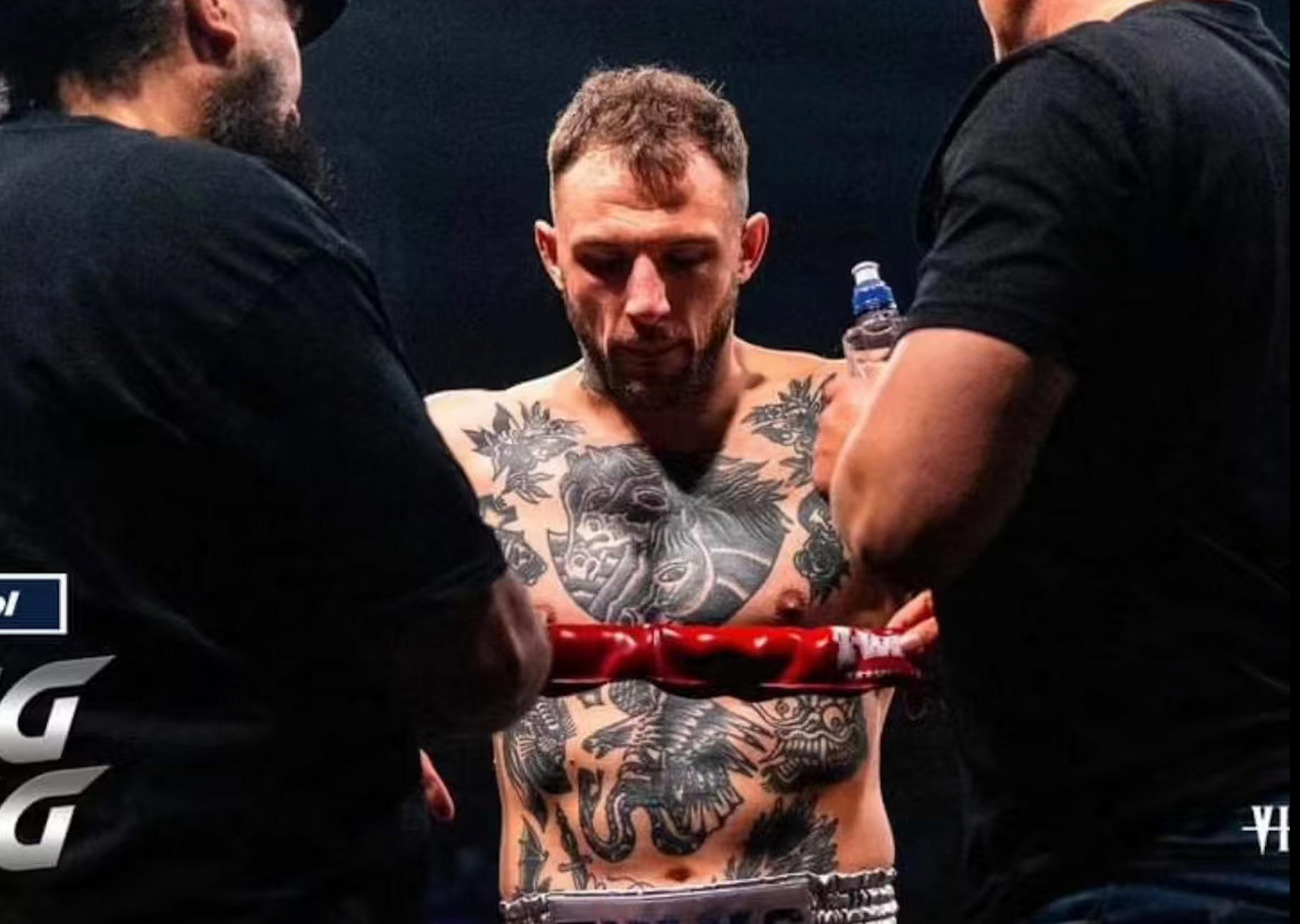
GPNi Webinar | Before He Built Fighters, He Had to Become One
Mark Timms will appear in Building a Global Career: Combat Sports, Sports Nutrition & Life in China, hosted by Drew Campbell with Dr. Reid Reale.
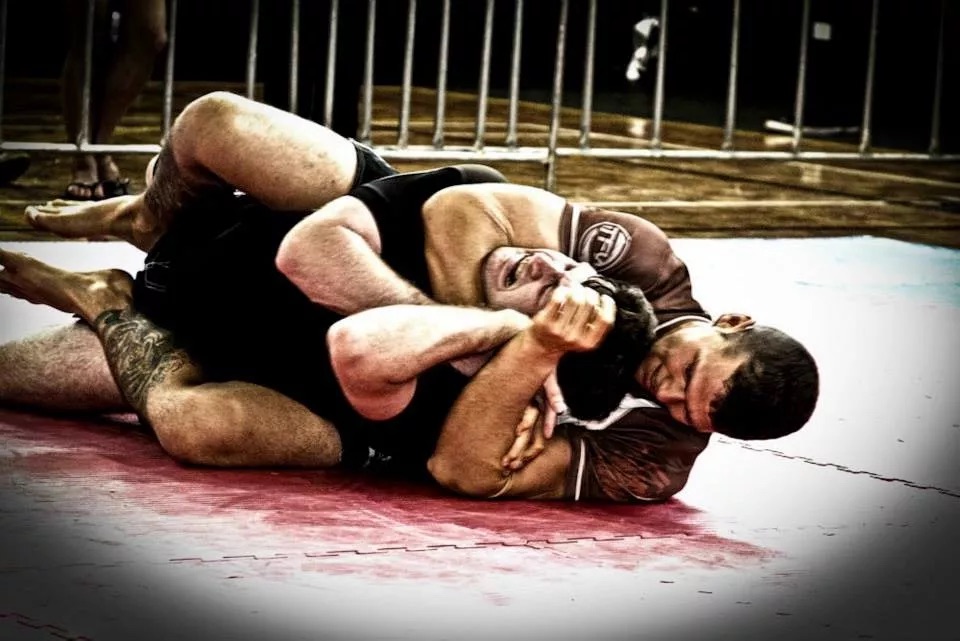
GPNi Webinar | When the Scale Is Only the Beginning
Dr. Reid Reale will appear in Building a Global Career: Combat Sports, Sports Nutrition & Life in China, hosted by Drew Campbell with Mark Timms.
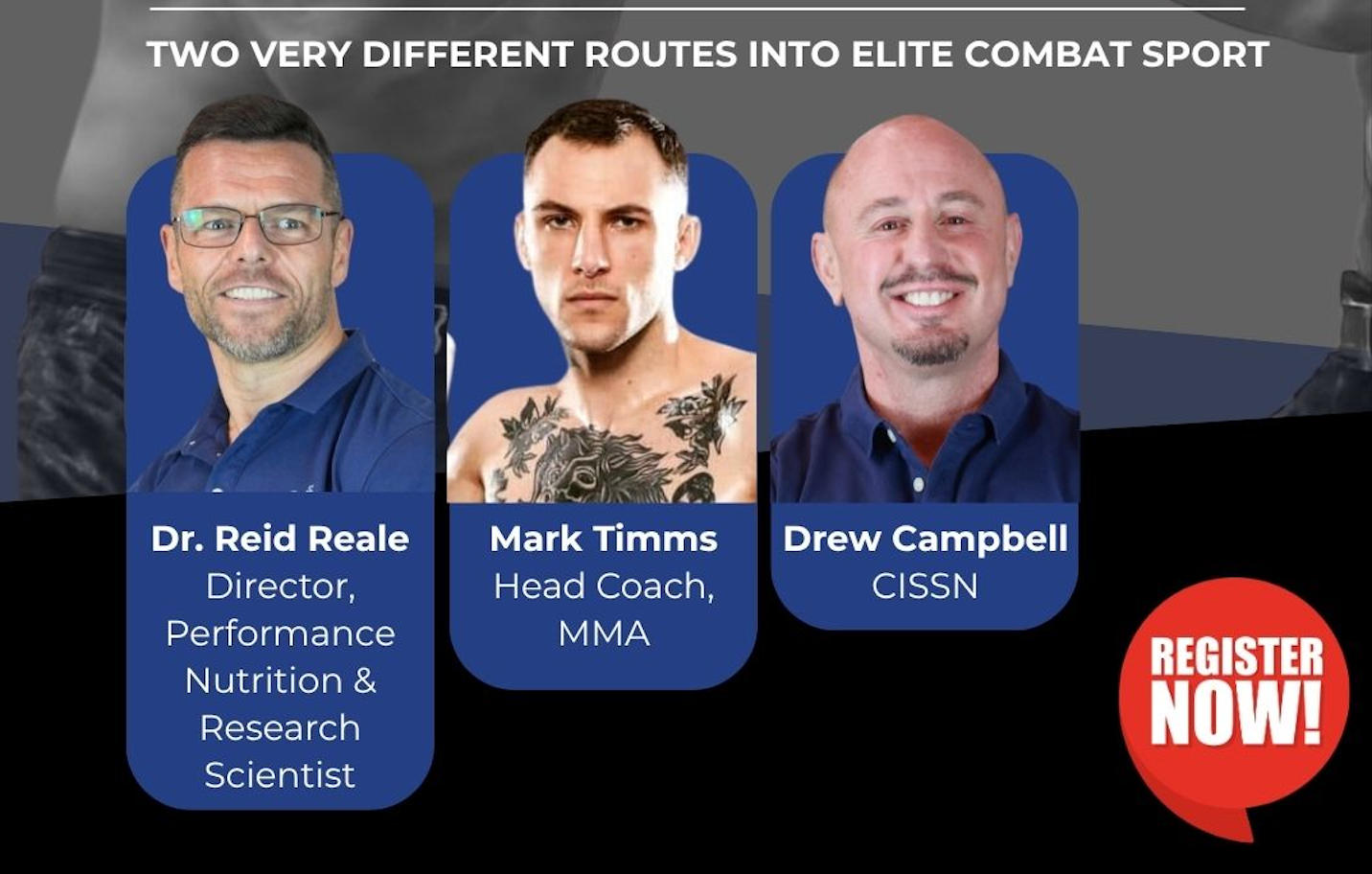
GPNi Webinar | Building a Global Career: Combat Sports, Sports Nutrition & Life in China
On 22 September, Mark Timms and Dr. Reid Reale will take us inside that journey—from the changing room to the research lab, from fighter to coach, and from home to a life built in China.
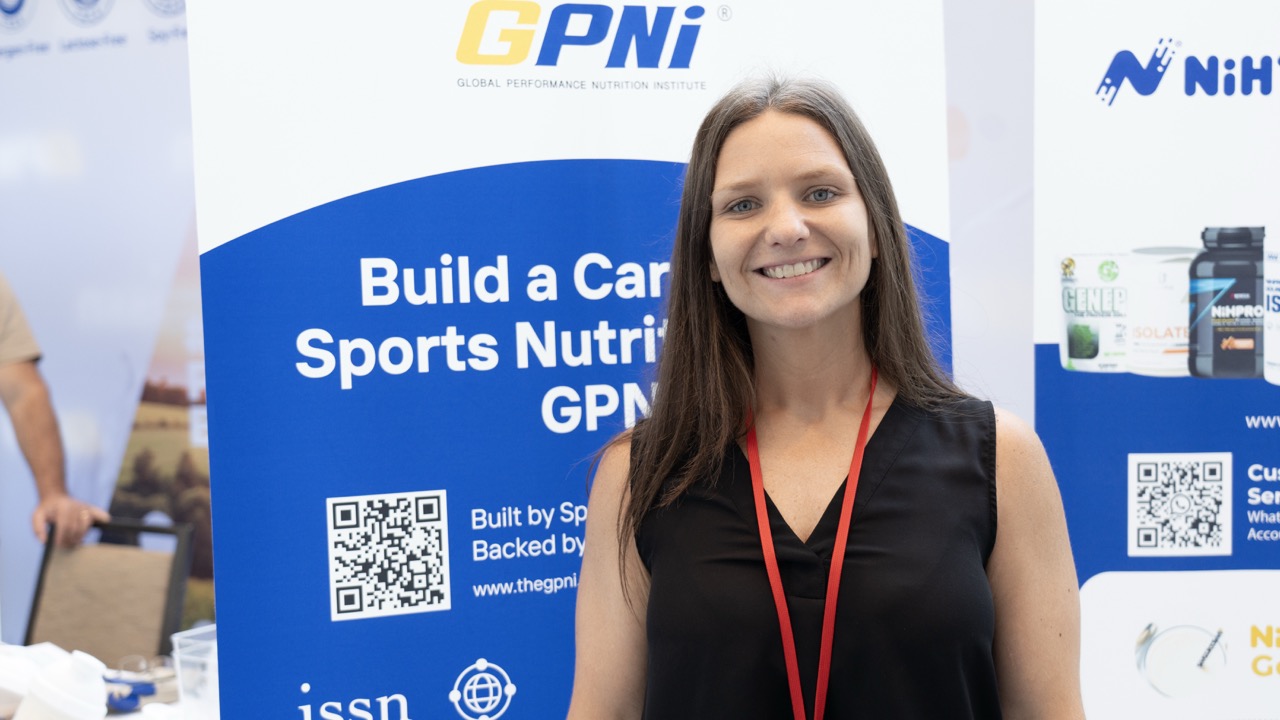
GPNi® Career Insights | Students Are Not Outside the Profession. They Are Its Future.
Dr. K. Michelle Singleton discusses sports nutrition education, athlete recovery, student research, mentorship, and why young professionals should reach out sooner.
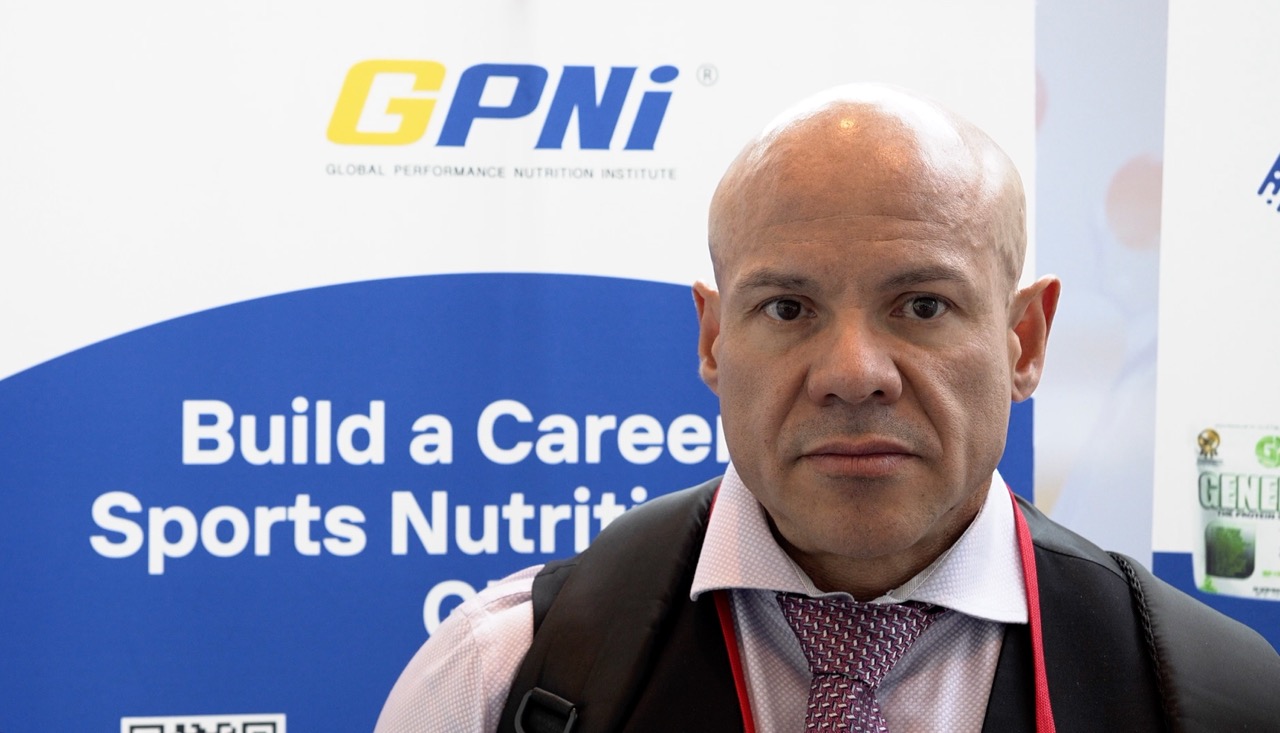
GPNi® Career Insights | One Career, Many Paths Through Sports Nutrition
Dr. Guillermo Escalante shows how sports medicine, nutrition, research, teaching, business, and professional leadership can form one career.
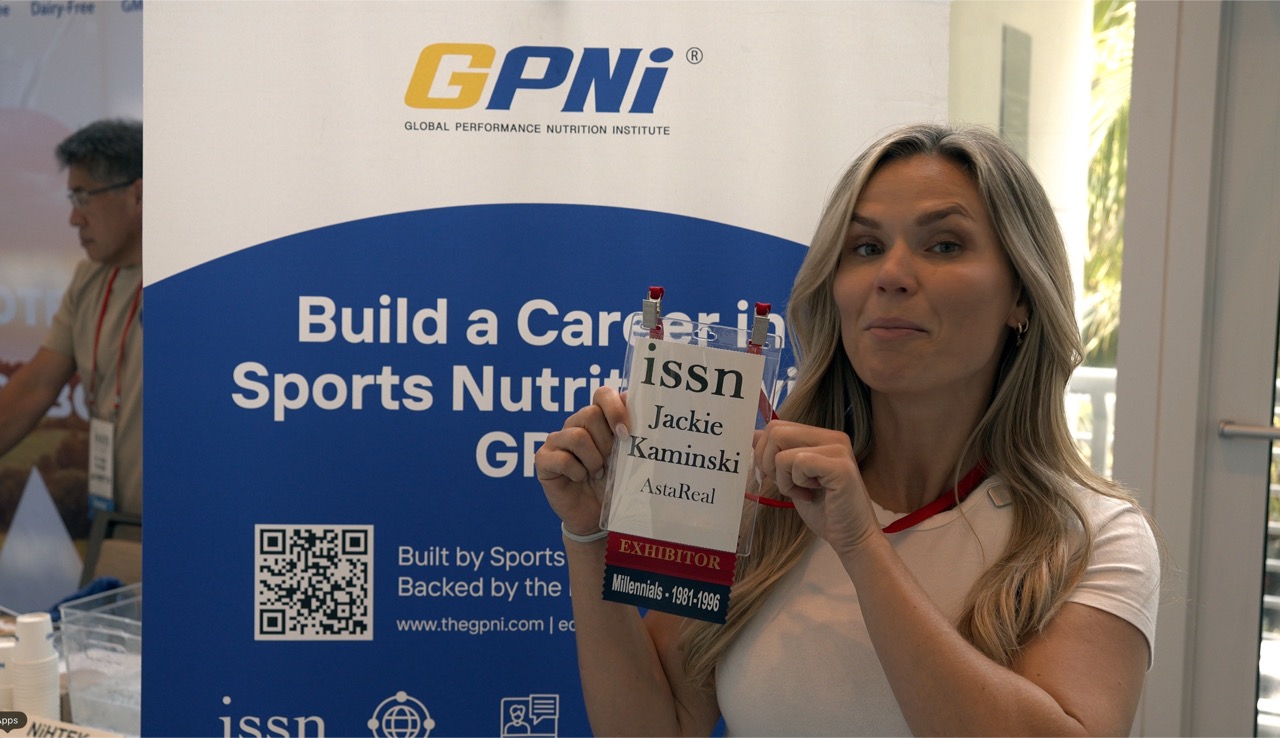
GPNi® Career Insights | She Didn't Wait for the Perfect Role. She Built Her Own.
Jackie Kaminski explains how a competitive UFC internship, real-world experience, and professional relationships helped her build The Fight Nutritionist.
Article Categories
Insights from PhDs
Words from Chairman
Student Testimonials
Science Spotlight
Career News
Brain Bites
Webinars & Conferences
Performance Nutrition
Journal & Research
Trending Articles
International Society of Sports Nutrition position stand: safety and efficacy of creatine supplementation in exercise, sport, and medicine
May 15,2025
International Society of Sports Nutrition position stand: protein and exercise
May 15,2025
International society of sports nutrition position stand: Beta-Alanine
May 15,2025
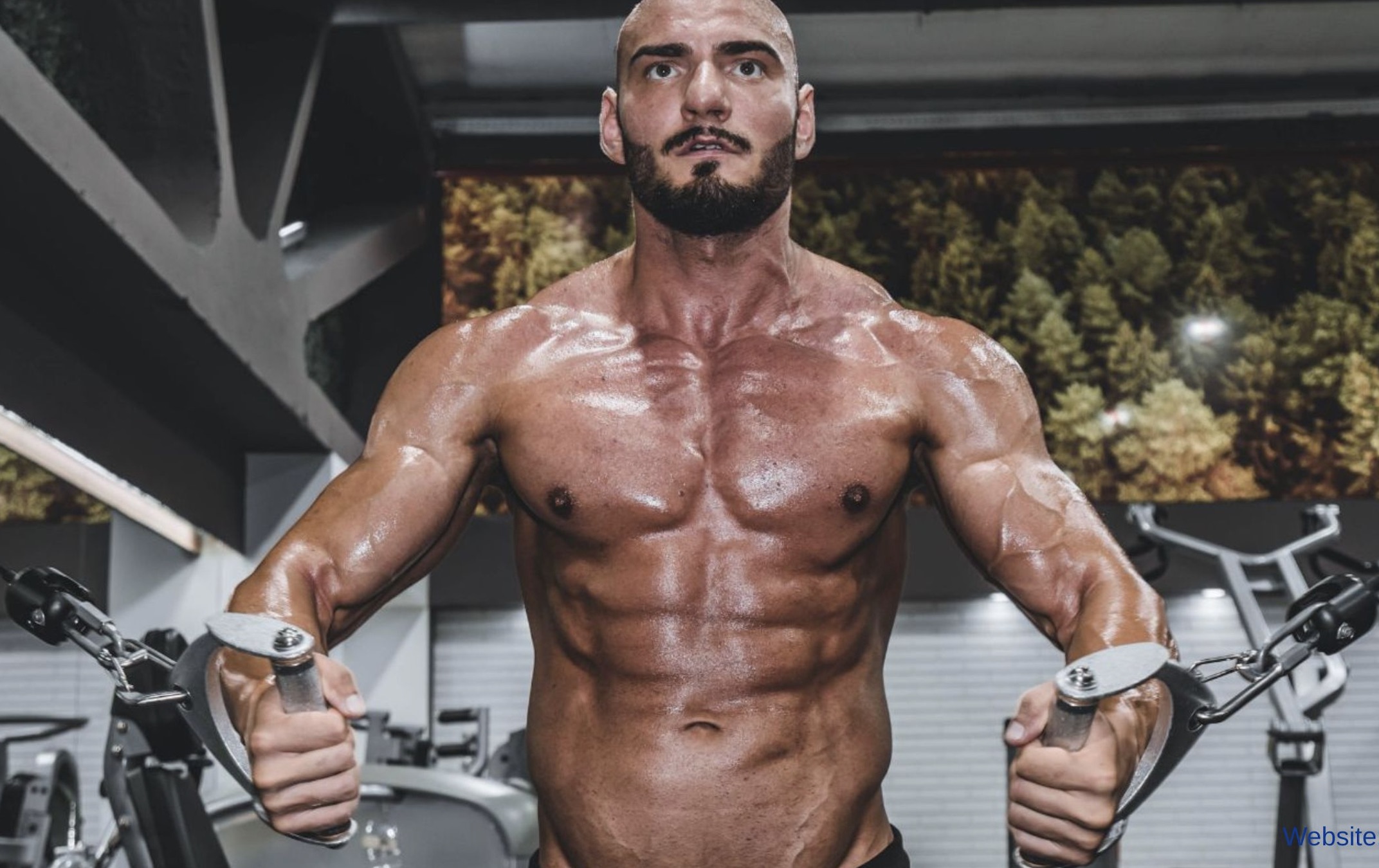
How to Look Full, Dry, and Stage-Ready: Dehydrate or Not?
Nov 25,2025

Reassessing Yeast Protein as an Alternative Protein Source
Mar 06,2026
Find us on


Subscription
Subscribe to our newsletter and receive a selection of cool articles every week
Follow us on Instagram
Stay connected and get the latest updates.


 Instagram
 Facebook
 YouTube
 Twitter
 Linkedin